
2017 Unnao rape case: CBI approaches SC against Delhi HC order suspending sentence of Kuldeep Sengar
The CBI has filed a special leave petition (SLP) in the Supreme Court against the cancellation of bail and suspension of sentence order for Kuldeep Singh Sengar in the Unnao rape case.

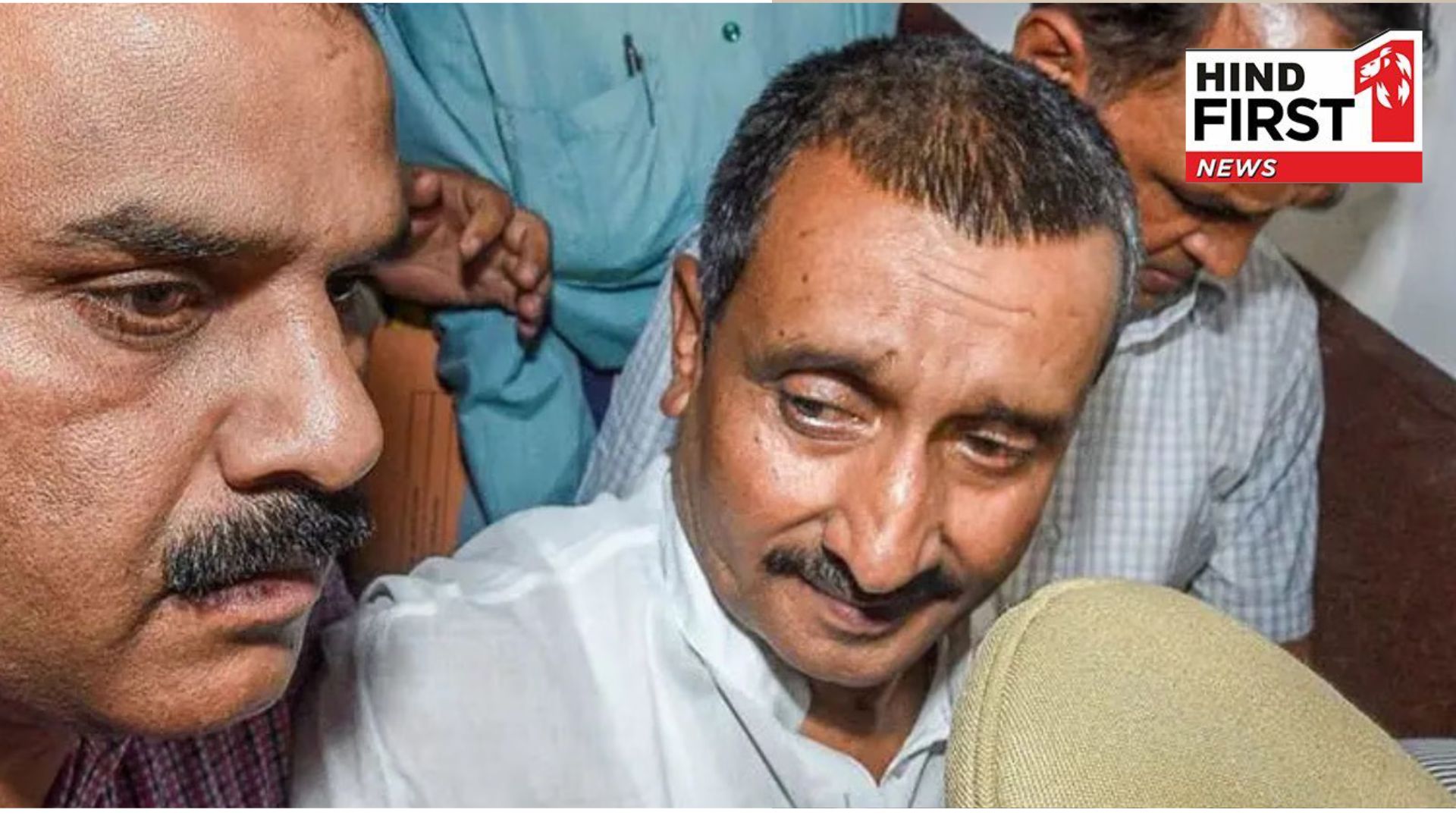
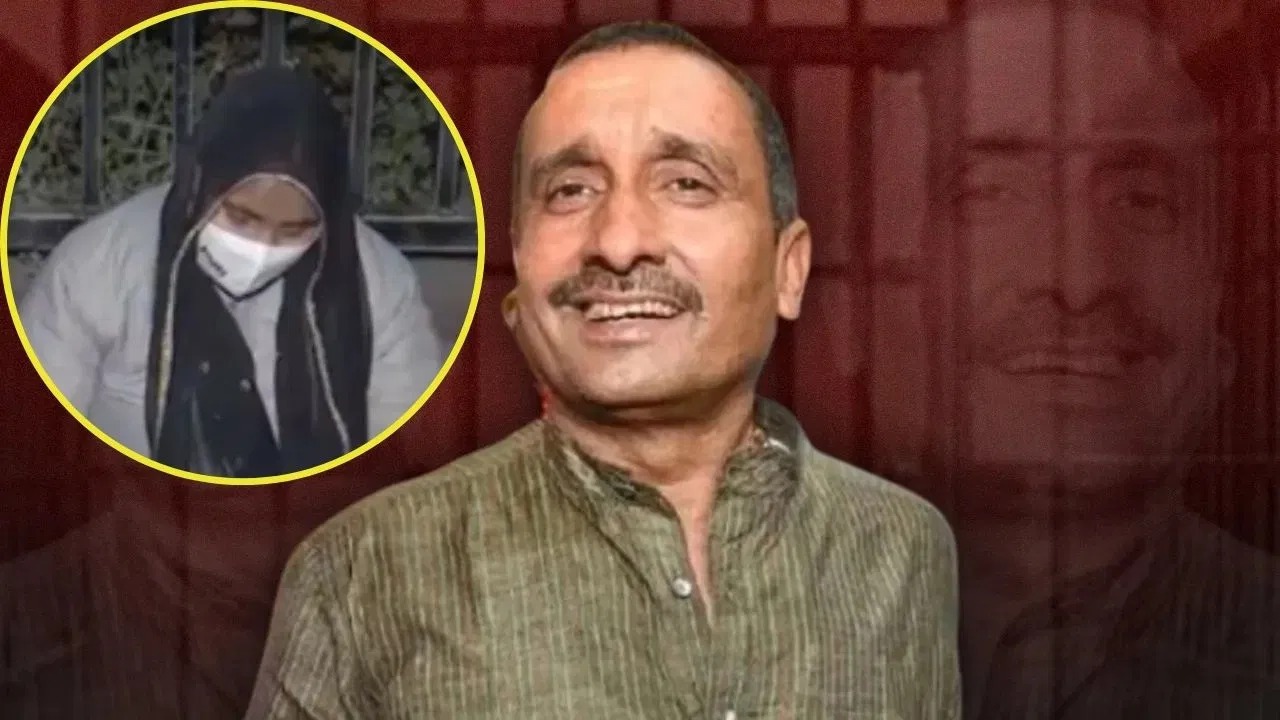
2017 Unnao rape case: The Central Bureau of Investigation has challenged the Delhi High Court's order in the Supreme Court, which suspended the sentence of the accused former MLA Kuldeep Singh Sengar and granted him bail in the Unnao rape case. The CBI filed a special leave petition (SLP) in this regard today. Earlier, in December 2019, the lower court had convicted Kuldeep Singh Sengar in the rape case and sentenced him to life imprisonment. Also Read: Nation is shedding mindset of slavery… PM Modi's address on Veer Bal Diwas This petition challenges the Delhi High Court's decision which granted relief to Sengar. Along with the life sentence, the lower court also imposed a fine of Rs 25 lakh on Sengar. Sengar had filed an appeal against his sentence in the Delhi High Court in January 2020. He filed a petition for suspension of sentence in March 2022. This petition was strongly opposed by the CBI and the victim. 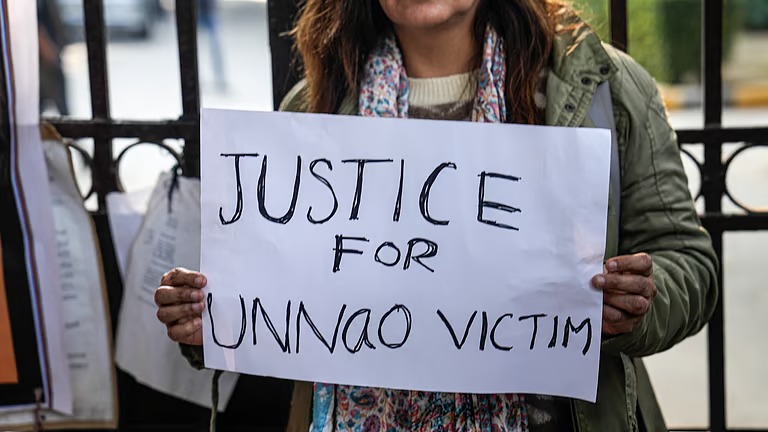
No relief should be granted
Both sides argued in court that the case is very serious and the convict should not be given any kind of relief. Despite this, the Delhi High Court suspended Sengar's sentence until the appeal is settled on December 23, 2025, and granted him bail with certain conditions. However, Sengar is not to be released from jail at this time. Also Read: Know the history of the two airlines approved by the government, and who are their owners?Suspending the sentence and granting bail is not in the interest of justice
This is because he is also convicted of murder in another CBI case, in which he has been sentenced to 10 years in prison. Following the High Court's decision, the CBI has thoroughly studied it and approached the Supreme Court. The agency argues that suspending the sentence and granting bail in such a serious crime is not in the interest of justice. On what grounds did the High Court grant bail?
~According to the court order, the basis for granting bail is the court's prima facie conclusion that the offense of penetrative sexual assault under the Protection of Children from Sexual Offences (POCSO) Act was not made out against him. ~Section 5 of the POCSO Act defines the circumstances under which a sexual assault on a child is considered Aggravated Penetrative Sexual Assault. ~This applies if the act is committed by a public servant or police officer within the limits of a police station, or by a member of the armed forces or security forces, or a hospital employee, or a prison employee. ~This carries a minimum sentence of 20 years imprisonment and can be extended to life imprisonment. Sengar was sentenced by the trial court for this crime on the grounds that he falls under the definition of a ‘public servant’. ~However, a division bench of Justices Subramonium Prasad and Harish Vaidyanathan Shankar of the Delhi High Court held that he cannot be categorized as a public servant under Section 5(c) of the POCSO Act or Section 376(2)(b) of the IPC.Summary
The High Court stated in its order that Sengar does not fall under the ambit of Section 5(p) of the POCSO Act, which punishes a person in a "position of trust or authority" for aggravated penetrative sexual assault.Alka


Next Story