
Snow Moon 2026: Watch February’s Full Moon Rise Beside Jupiter at Sunset Tonight
February’s full Snow Moon lights up the eastern sky at sunset tonight, appearing near Jupiter and famous winter constellations offering skywatchers a stunning celestial show.

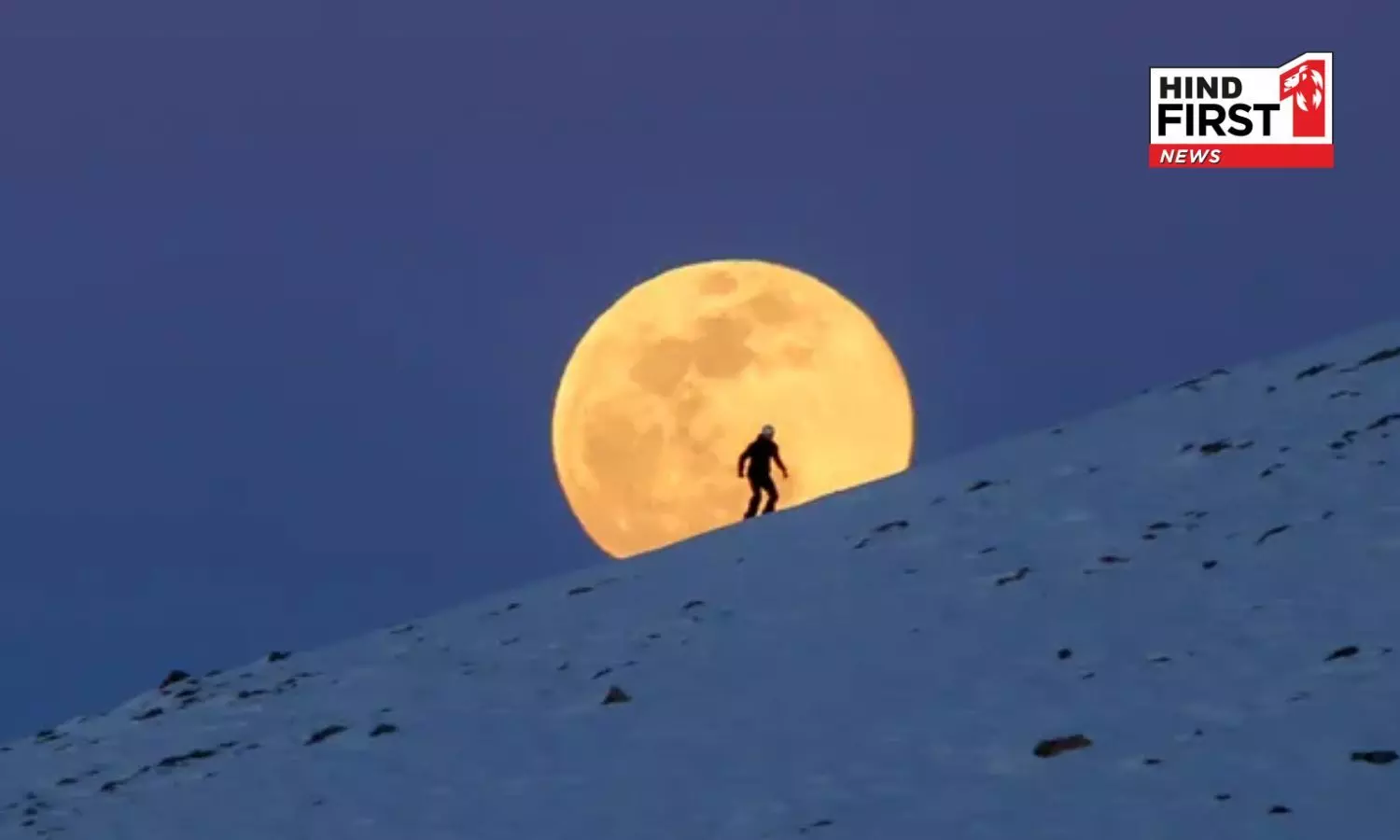
Skygazers should look toward the eastern horizon at sunset tonight to catch February’s full Snow Moon making its dramatic appearance. The moon will rise among the stars of Cancer, while the bright planet Jupiter shines nearby, adding extra sparkle to the winter evening sky.
Exact Timing of February’s Full Moon
The February full moon reaches 100% illumination at 5:09 p.m. EST (10:09 GMT) on February 1. At this moment, the moon sits directly opposite the sun from Earth, reflecting maximum sunlight. However, moonrise and moonset times vary by location, so viewers should check local timings.
Why February’s Full Moon Is Called the Snow Moon
This full moon is traditionally known as the Snow Moon, a name inspired by the heavy snowfall common in February. According to the Old Farmer’s Almanac, it’s also called the Bear Moon, marking the time when bear cubs are born, and the Hunger Moon, symbolizing the scarcity of food during harsh winter weeks.
Best Time and Place to Watch the Snow Moon
For observers across the United States, the Snow Moon will appear fully lit as it rises in the east right after sunset on February 1. To get precise moonrise and moonset details for your city, astronomy tools like TimeandDate’s calculator can be helpful.
Why the Snow Moon Looks Yellow or Orange
As the Snow Moon climbs from the horizon, it may briefly glow yellow or orange before turning its familiar silvery white. This color shift happens due to Rayleigh scattering, where Earth’s atmosphere filters out blue light and allows warmer red tones to reach our eyes.
Spotting Lunar Ejecta Rays During Full Moon
A full moon is an excellent time to observe ejecta rays—bright streaks formed by ancient asteroid impacts. When the sun shines directly onto the lunar surface, these reflective trails become more visible, revealing the moon’s violent past.
Tycho Crater: The Moon’s Most Striking Feature
One of the most eye-catching ejecta systems originates from the Tycho crater, a massive 53-mile-wide impact site near the moon’s southern region. Over time, similar rays from other craters have faded due to constant exposure to sunlight.
When Craters Look Their Best
Lunar craters are easiest to observe around the full moon phase, especially near the terminator line—the boundary between lunar night and day. At this angle, shadows highlight crater rims and depths, making surface details stand out.
Jupiter, Orion, and Bright Winter Stars Join the Show
On February 1 night, Jupiter will glow steadily to the moon’s upper right, while Castor and Pollux of the Gemini constellation shine nearby. Look southeast to spot Orion, and just below it, Sirius, the brightest star in the night sky, completing a breathtaking celestial lineup.
Aakash Khuman


Credible. Clear. Impactful
