
India to buy its own ships to import petrol and diesel from abroad, saving ₹6 lakh crore!
IOCL, BPCL, HPCL, and Shipping Corporation of India (SCI) are forming a joint venture for cargo transportation. The oil companies will hold a 35% stake, while SCI will hold a 50% stake.

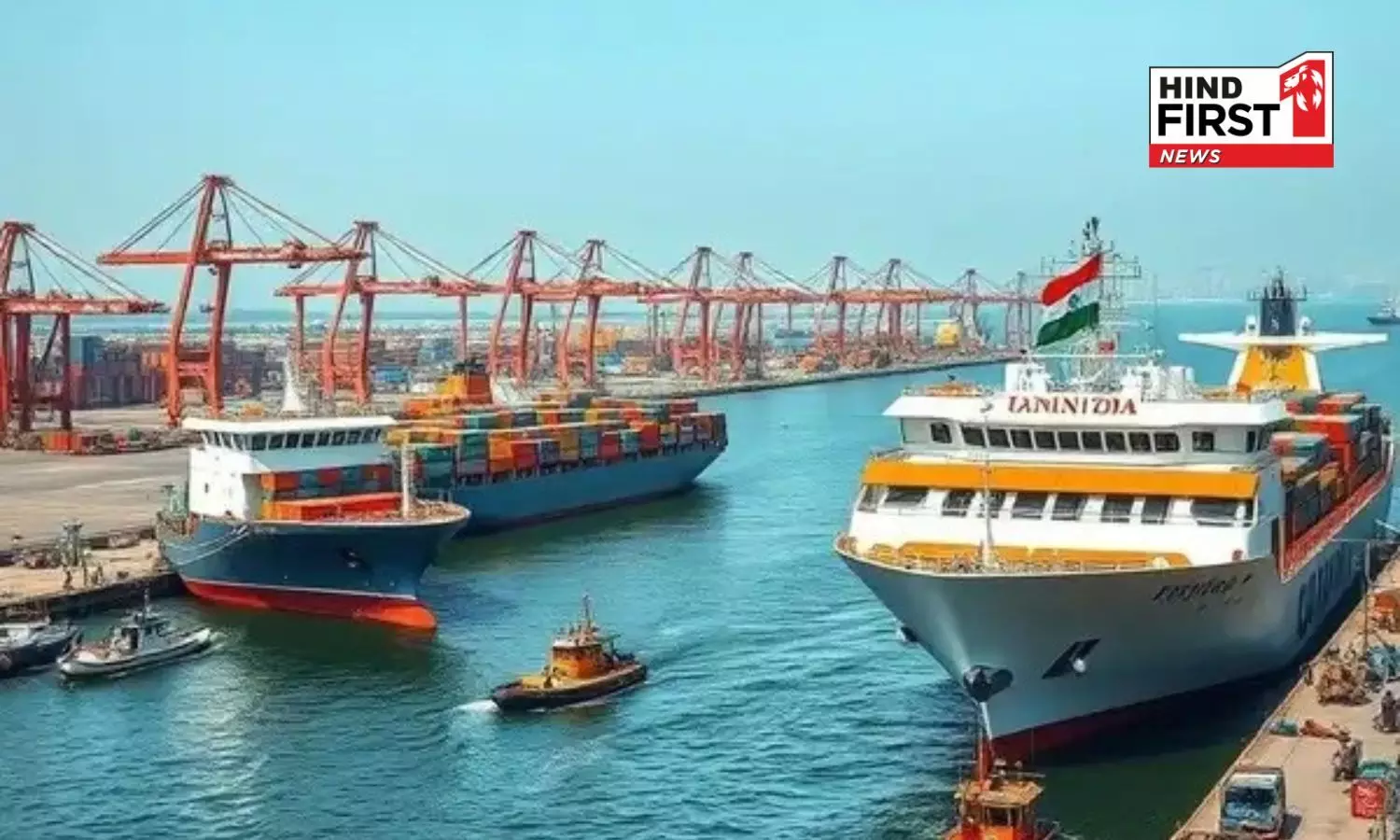
India relies on foreign ships to transport crude oil and fuel. This logistics cost a significant amount of ₹6 lakh crore annually. Now, major oil companies are planning to reduce this cost. This is a major initiative to save the country money. According to a report in the Economic Times, Indian Oil, Bharat Petroleum, and Hindustan Petroleum have made the significant decision to form a special joint venture with the Shipping Corporation of India.
This new company will purchase 59 ships with a massive investment of approximately ₹15,000 crore. Its primary objective is to reduce India's dependence on foreign ships, saving ₹6 lakh crore annually.
Shipping Corporation to Have Major Stake
The three state-owned oil companies will hold a combined 35 percent stake in this proposed new company. Shipping Corporation will play the role of lead partner with a 50 percent stake. The remaining 15 percent stake will be held by the Maritime Development Fund (MDF). The MDF is a special government initiative created with a corpus of ₹25,000 crore to provide financial assistance to the maritime sector. Its primary objective is to eliminate dependence on foreign shipping and conserve valuable foreign exchange reserves.
₹15,000 Crore Investment, 59 New Ships
According to Shipping Corporation Chairman BK Tyagi, work on the technical terms of this joint venture is progressing rapidly. Under this master plan, 59 ships will be purchased. These will include large crude carriers, gas carriers, and offshore vessels. The entire procurement process is estimated to involve a massive investment of approximately ₹15,000 to ₹17,000 crore.
How will this new joint venture work?
The roles of all participating companies in this new partnership are clearly defined. Shipping Corporation will provide its technical, operational, and regulatory expertise to this venture. Meanwhile, oil companies will provide a firm guarantee of freight through long-term contracts. Shipping Corporation will assume full responsibility for the management of these vessels, for which it will receive a fixed management fee.
Strengthening the country's energy security
According to officials, this move will significantly reduce the practice of chartering foreign-flagged vessels. This will not only prevent foreign exchange outflows but will also strengthen India's energy security significantly. Domestic control of freight costs will make the energy supply system more stable and secure in the future.


