
India’s Biggest Conventional Submarine Project Set for Final Nod
India’s ₹66,000 to ₹70,000 crore P 75(I) submarine project nears CCS approval as cost talks conclude between MoD, MDL and TKMS.

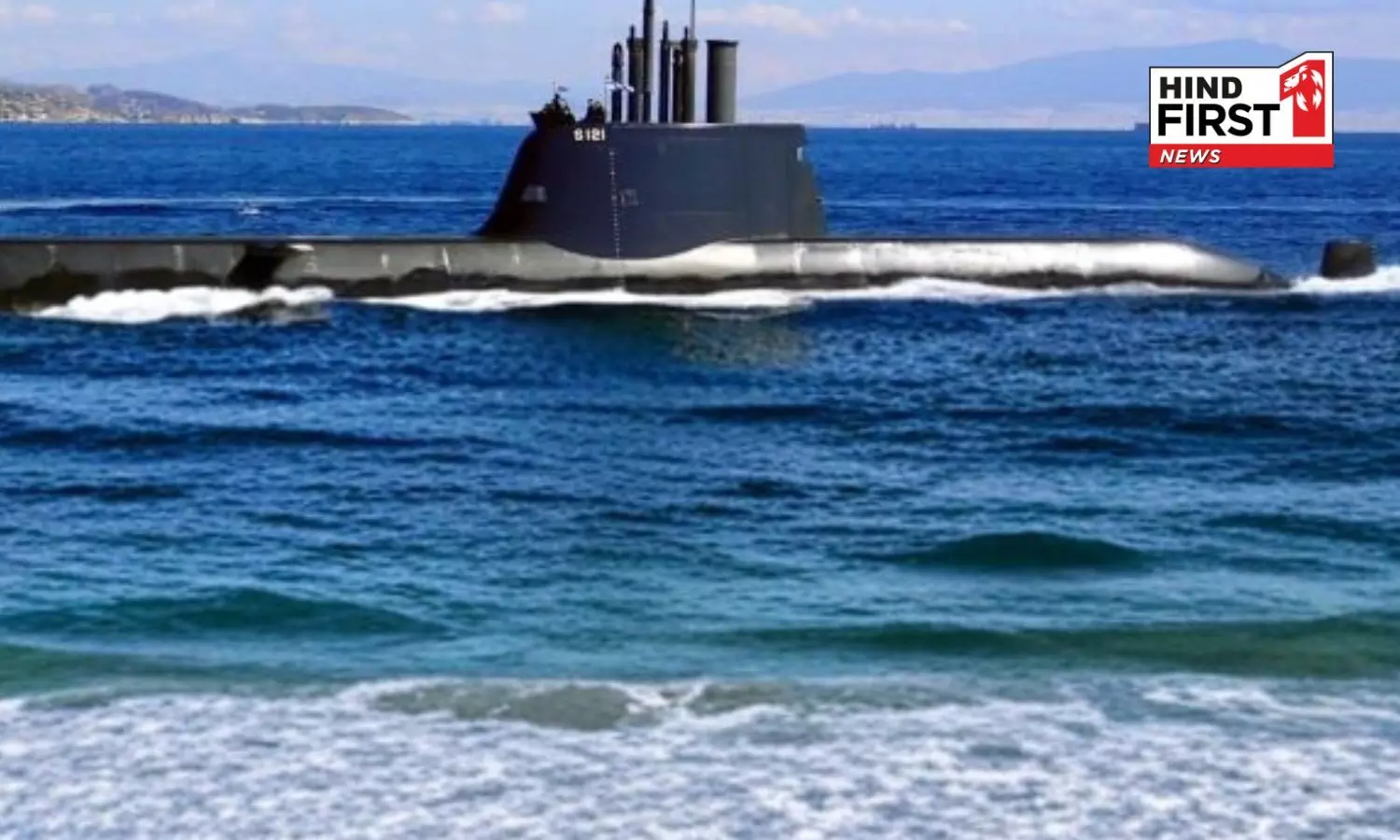
India’s Project 75(I) submarine acquisition has entered its final stage, with cost negotiations between the Ministry of Defence, Mazagon Dock Shipbuilders Ltd and Germany’s ThyssenKrupp Marine Systems substantially complete. The proposal is expected to move to the Cabinet Committee on Security for approval within the next quarter.
The programme is now valued between ₹66,000 crore and ₹70,000 crore after multiple rounds of price rationalisation. It is set to become one of the largest conventional submarine contracts globally and the most expensive underwater capability project undertaken by India.
Project 75(I) is a follow on to the original Project 75 Scorpene line. It aims to deliver six next generation diesel electric submarines equipped with Air Independent Propulsion, advanced stealth features, modern combat management systems and heavyweight torpedoes for anti surface and anti submarine warfare missions.
The AIP equipped design will allow submarines to remain submerged for up to three weeks. This is expected to improve survivability and operational capability over the existing Kalvari class in the Indian Ocean Region.
Under the Strategic Partnership model, an Indian shipbuilder partners with a foreign Original Equipment Manufacturer for technology transfer and domestic production. MDL has been selected as the Indian strategic partner. TKMS will provide the design, AIP package and key technologies based on its Type 214 and Type 218 lineage.
Cost discussions have been prolonged. The original Acceptance of Necessity in 2018 was around ₹43,000 crore. Internal assessments had at one stage crossed ₹1.1 lakh crore after taxes and contingencies. The Cost Negotiation Committee reduced the projected outlay to the ₹60,000 crore to ₹70,000 crore range. The official estimate is now anchored near ₹66,000 crore.
With the Cost Negotiation Committee concluding its work, the file is undergoing financial vetting and inter ministerial scrutiny. Senior officials indicated that the Defence Ministry aims to secure CCS clearance within the current financial year. The main contract could be signed by late FY 2025 to 26, followed by the release of an initial payment.
The Navy expects the first submarine to enter service about seven years after contract signing, placing induction in the early 2030s, subject to adherence to timelines.
The project is considered critical to addressing India’s undersea capability gap amid expanding Chinese naval presence in the Indian Ocean Region and Pakistan’s induction of Chinese origin AIP submarines. The submarines are intended to support sea denial operations, protect sea lanes and strengthen deterrence in the Arabian Sea and Bay of Bengal.
The programme is also expected to strengthen India’s shipbuilding ecosystem through workshare for MDL and domestic suppliers. The technology transfer package includes fuel cell AIP systems, quieting technologies and integrated platform management systems.
Officials caution that issues related to liability, intellectual property, indigenous content thresholds and long term support could affect timelines if not resolved. Delays could add pressure on ageing submarines nearing the end of operational life.
If approved within the projected timeline and concluded in FY 2025 to 26, the project will provide the Navy with a steady induction plan into the next decade while parallel indigenous conventional and nuclear submarine programmes progress.
Aakash Khuman


Credible. Clear. Impactful
