
Funds from Abroad to be Credited Within a Single Day: RBI Implements Major Rule Change
Under new directives issued by the Reserve Bank of India, funds arriving from abroad will now be credited to the recipient's account on the very same day.

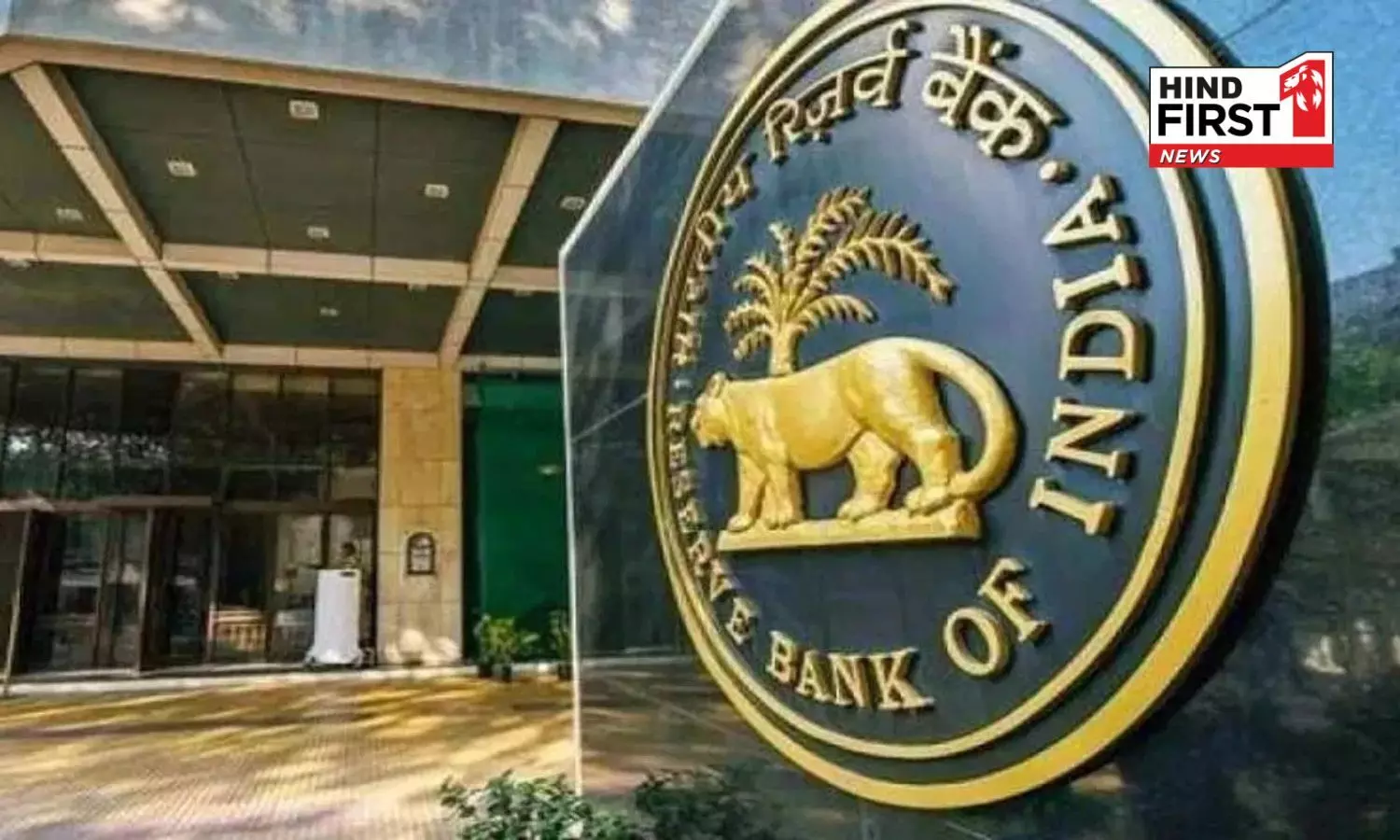
The delays typically associated with receiving funds from abroad are soon to become a thing of the past. In a significant decision, the Reserve Bank of India (RBI) has directed banks to ensure that funds received via foreign transactions are credited to the customer's account on the same day of receipt. The objective of this initiative is to provide greater convenience to the public and to further strengthen India's payment ecosystem on a global stage.
Previously, when an individual sent money from abroad, it would often take one or two days—or even longer—for the funds to reflect in the recipient's account. This caused considerable inconvenience to people, particularly those who rely on these funds for their family's sustenance or for business operations.
The RBI has implemented this new regulation specifically to address and resolve this issue.
Now, in accordance with the new regulations, if a bank receives foreign funds—specifically, inward remittances—during foreign exchange market hours, it is mandated to credit those funds to the customer's account on that very same day.
If the funds arrive after market hours, they must be credited on the next business day. However, it is stipulated that all such transactions must strictly adhere to the regulations prescribed under the Foreign Exchange Management Act (FEMA).
Additional Changes Introduced
The RBI has not merely established a specific timeline for crediting funds; it has also directed banks to immediately notify the customer as soon as they receive intimation regarding the arrival of funds from abroad. If such intimation is received after banking hours, the bank is required to inform the customer at the commencement of the next business day.
This measure ensures that customers receive clear and timely updates regarding the status of their funds. Furthermore, the RBI has emphasized the need for improvements in banks' operational workflows.
Currently, many banks reconcile their accounts only at the end of the day, a practice that contributes to delays. They have now been instructed to update this reconciliation process in real-time—or, at a minimum, on an hourly basis—to facilitate the faster crediting of funds. Banks have also been directed to strengthen their systems in terms of technology. The RBI wants banks to develop digital platforms where customers can track their transactions, submit necessary documents, and view their status in real-time.
Additionally, banks have been advised to adopt automated systems such as STP (Straight Through Processing). This will enable funds to reach the customer's account directly—without any manual intervention—thereby saving time and minimizing the likelihood of errors.
Summary
This new regulation will come into effect six months after its issuance, allowing banks sufficient time to update their systems. These directives have been issued under the Payment and Settlement Systems Act, 2007.
This move by the RBI is expected to bring relief to millions of people who receive remittances from abroad. It will not only expedite transactions but also enhance transparency and trust.


