
Stranded in abroad due to flight cancellations: Will your travel insurance company pay?
Many Indians are stranded abroad due to flight cancellations caused by the US-Iran tensions. The biggest question is whether travel insurance will be of any help in this crisis. If the policy was taken out before the conflict began, a claim is possible

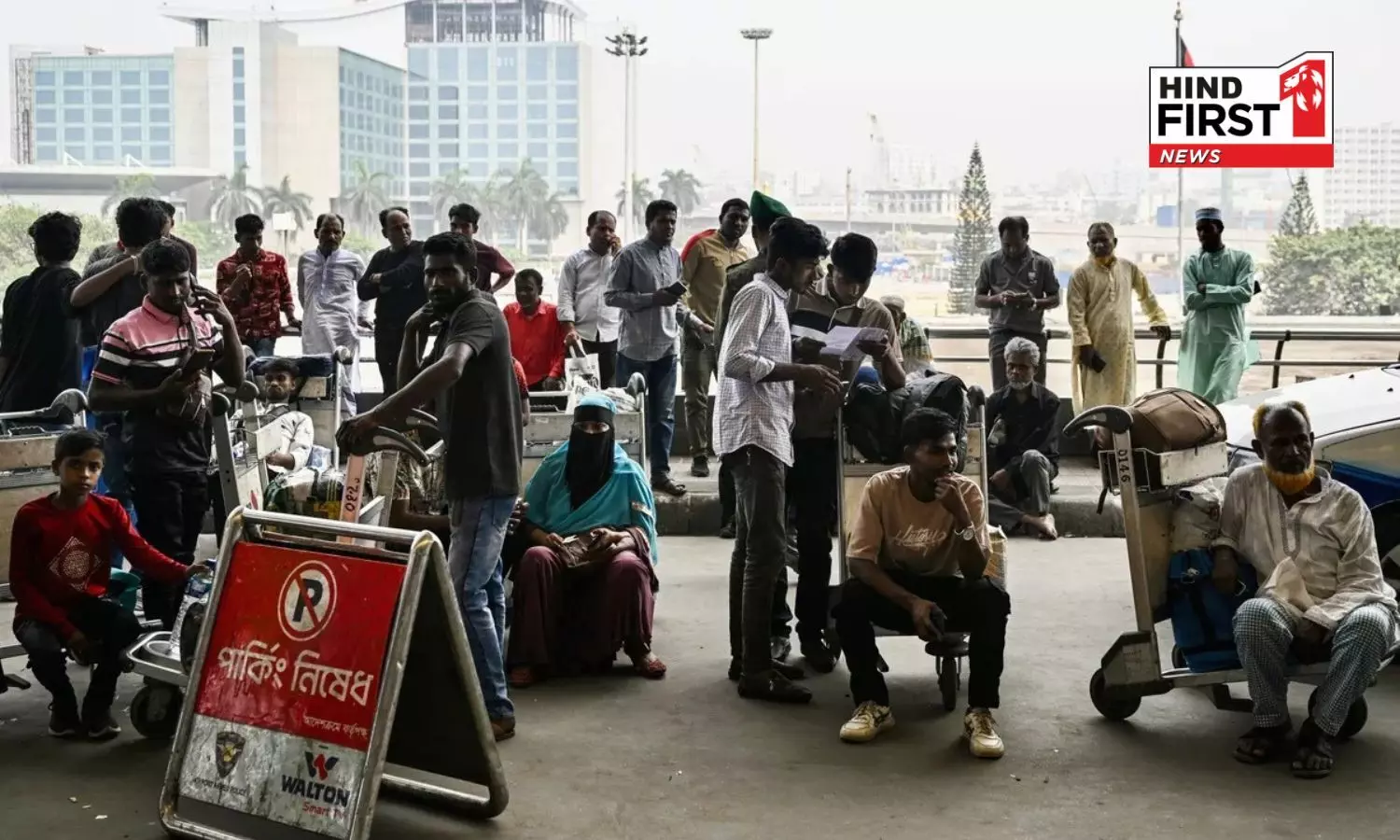
US-Iran Conflict: The deepening geopolitical tensions in the Middle East have severely impacted international air travel. Due to the escalating tensions between the US and Iran, many major airlines have canceled flights or changed routes as a precaution. This sudden change has left hundreds of Indian passengers stranded at foreign transit airports. Thousands of kilometers from home, the indefinite wait, and the fear of a medical emergency have increased these travelers' anxiety. In such difficult times, the question arises: will the travel insurance, which cost lakhs of rupees, be of any financial assistance in this time of crisis?
Let's understand when the money will be reimbursed and when the situation will become complicated.
This is how a claim will be settled:
Unlike domestic travel, obtaining travel insurance for foreign trips is considered a crucial step. However, whether an insurance company will cover a claim in a crisis like the current one depends on two factors: first, the actual reason for the disruption to your travel, and second, when you purchased the insurance policy.
According to regulations, a traveler's claim is considered only if they purchased their policy before the conflict or problem in that region began. If, due to escalating geopolitical tensions, airspace in Dubai, Qatar, Tehran, or elsewhere in West Asia suddenly closes, stranding a traveler, the insurance company may provide compensation under the "trip delay," "trip interruption," or "missed connection" benefits. The only condition is that coverage was taken before the problem arose.
When Companies' Rules Become Obstacles
When it comes to war, travel insurance companies' rules become strict. According to Naval Goyal, CEO of travel company, she said, that pasengers should understand that most policies exclude claims resulting from an official declaration of war by a government.
In the event of an active war, the "war exclusion clause" generally applies, and the company's liability is not covered.
Though, if a passengers are stranded due to operational problems, such as flight cancellations, insurance companies will consider your claims. The problem arises when an undeclared conflict, precautionary diversion, or sudden airspace shutdown occurs, which has not been officially declared as a war. In such cases, the claim's approval depends on whether the insurance company considers the damage to be a direct or indirect consequence, as per the policy's specific terms.
What if health deteriorates due to stress?
Being stranded at an airport for extended periods of time is bound to impact mental and physical health. This puts a traveler at risk of falling ill or being involved in an accident. Travel medical insurance proves to be very helpful in this situation.
Summary
If a traveler suffers an illness or accident that is not directly related to the current military conflict, claims for hospitalization, treatment, or emergency evacuation are generally approved. However, it is important to note that if the health damage is directly caused by military action, the medical claim will not be accepted.


