
Will your EMI decrease, or will the RBI cut interest rates?
RBI Governor Shaktikanta Das will announce the results of the MPC meeting on February 6th. After a total reduction of 1.25 percent in the repo rate in 2025, experts are predicting that interest rates will remain stable this time.

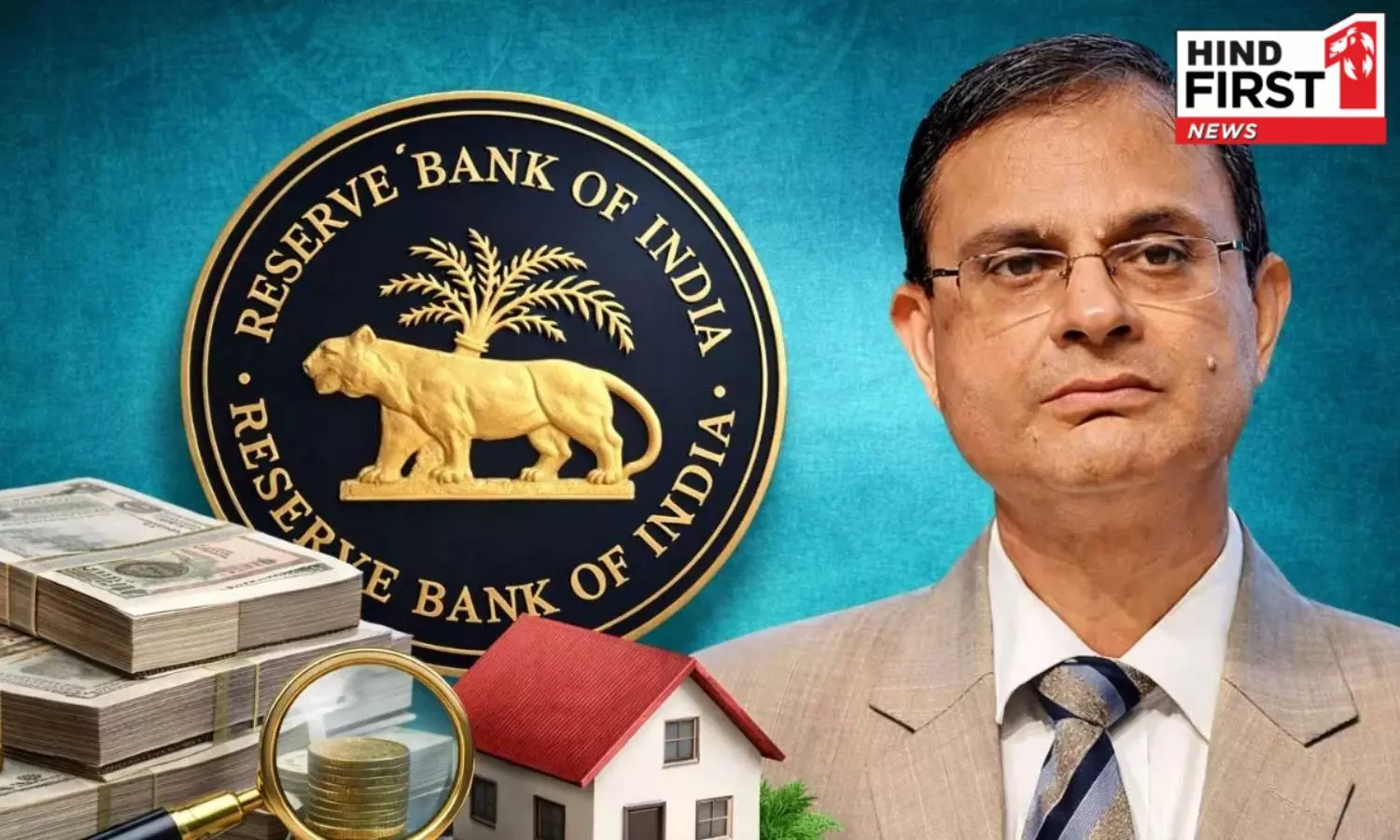
RBI Interest Rate: Every common man who has taken a home loan or a car loan is eagerly awaiting 10 AM on February 6th. At this time, RBI Governor Sanjay Malhotra will announce the decisions of the Monetary Policy Committee (MPC). This is the first monetary policy review of 2026. The biggest question is: will the central bank start the new year with an interest rate cut, or will the general public have to wait a little longer? Let's find out what market experts and analysts are predicting this time.
Will the interest rate cut cycle pause?
Last year, in 2025, the Reserve Bank provided significant relief to borrowers. The series of interest rate cuts, which began in February 2025, brought the repo rate down by a total of 125 basis points (1.25 percent) over the year. The last cut of 0.25 percent was made in the December 2025 policy. After this aggressive reduction, most economic experts now believe that the RBI might adopt a 'wait and watch' approach this time.
Country's growth rate is also satisfactory
Deepak Agarwal, CIO (Debt) at Kotak Mahindra AMC, believes that the current economic conditions favor maintaining stability in the policy. He says that the inflation rate is within the RBI's target and the country's growth rate remains satisfactory.
Why is the focus on liquidity instead of interest rates?
Interestingly, this time market participants are focusing not only on interest rates but also on 'liquidity' (the flow of cash in the market). According to Sachin Sawarkar, Managing Partner of Arth Bharat Investment Managers IFSC LLP, the market wants to understand the RBI's stance on liquidity. This is also important because government borrowing remains at a high level and foreign portfolio investors (FPIs) are... They are continuously selling.


