
Pollution hasn't been resolved, and fog has arrived... What difficulties will Delhi-NCR face this winter?
The double whammy of pollution and fog has worsened the situation in Delhi. The AQI in most areas is above 350, and the ventilation index has dropped to 800, which is considered extremely dangerous.

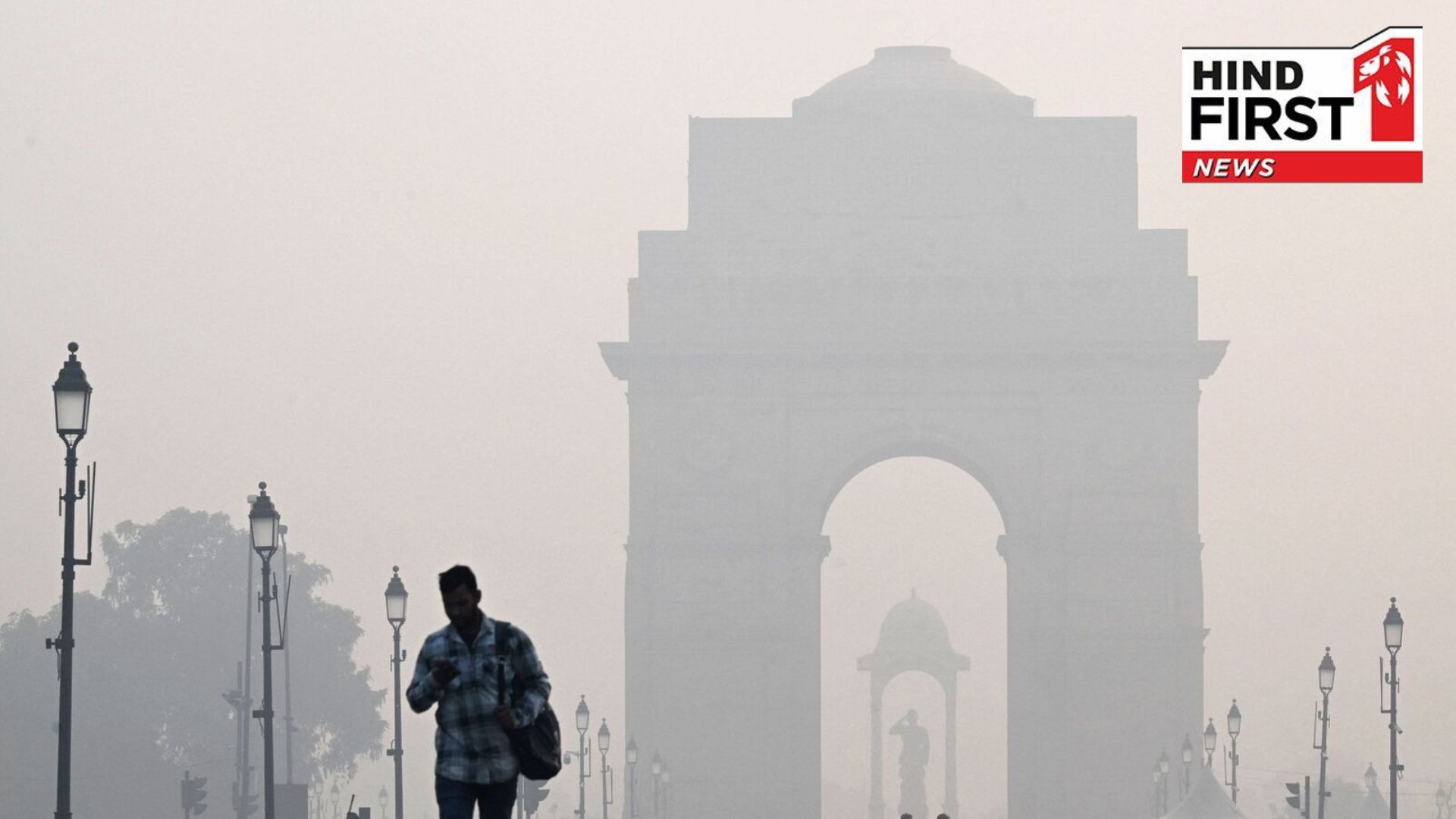
What Difficulties Will Delhi-NCR Face This Winter: Like every year, Delhi is grappling with the pollution crisis this year as well. Meanwhile, the month of December has brought another new gift for Delhiites: now they are getting a package deal of toxic air and fog. The AQI in most areas is above 350, and the ventilation index has dropped to 800, which is considered extremely dangerous. Also Read: Pollution in Delhi at alarming levels... 14 AQI stations in the red zone, Noida also at risk The situation has gone from bad to worse. Air quality in most areas of the capital and NCR is in the severe category. Very few areas have an AQI below 300. The weather department's forecast is even more alarming. The ventilation index (a measure of air circulation) in Delhi has dropped to 800 m²/s, while a level below 6000 m²/s is considered extremely dangerous. 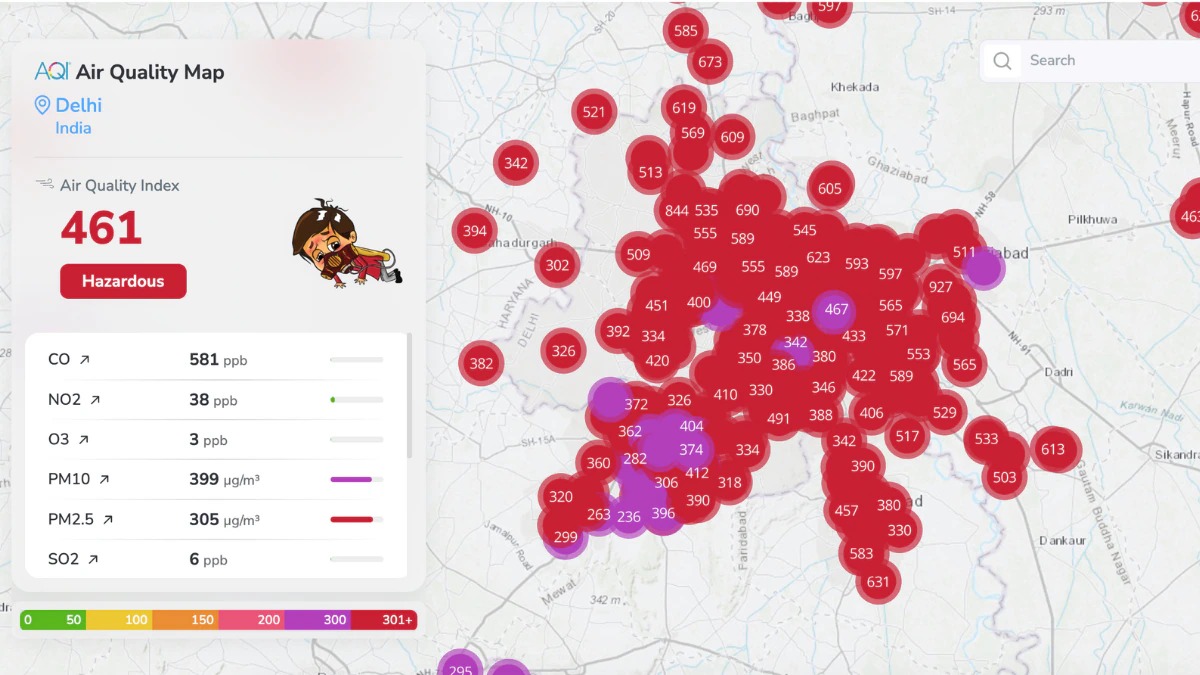
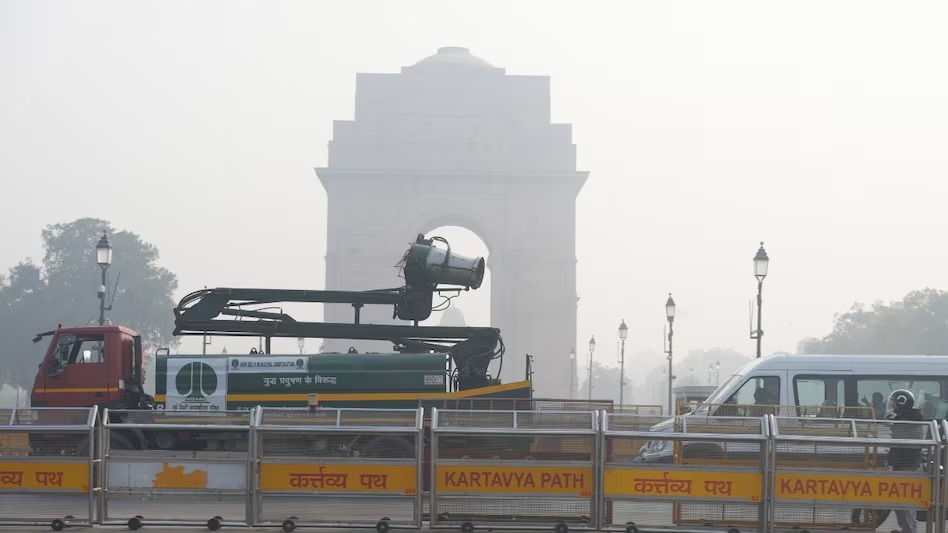
Double whammy of pollution and fog has worsened the situation in Delhi
The wind speed in Delhi is falling to less than 5 km per hour, meaning the wind is afraid to even stay in Delhi. According to the Meteorological Department, shallow fog and partly cloudy skies will prevail in Delhi-NCR until Saturday, with air quality remaining in the 'very poor' category.Suffocating Air: AQI crosses severe levels in many areas
According to data at 8 am, the Air Quality Index (AQI) in many areas exceeded the hazardous level. The worst air was recorded in Deep Vihar, where the AQI reached 850. This situation is very dangerous for people health. The Bhalswa landfill area recorded an AQI of 550, Rohini Sector 631, ITI Jahangirpuri 690, and Ashok Vihar 754. The air quality in the New Delhi area also remained worrisome, with an AQI of 431, which falls in the 'severe' category. The continuously deteriorating air quality is now directly affecting people's health, and experts have advised the elderly, children, and those suffering from respiratory diseases to be cautious. Health Crisis: Doctors' Warning
Doctors have described the increasing pollution as a direct health crisis. Pregnant women, children, and the elderly are most affected by this crisis. Pregnant women are being severely affected by pollution. Increased PM2.5 levels increase the risk of premature delivery by 70 percent and the risk of low birth weight babies by 40 percent. Every 10 micrograms of PM2.5 increases the risk of premature birth by 12 percent. Asthma, allergies, and developmental problems are on the rise in children. Doctors say this situation is becoming the new normal in Delhi, which is extremely worrying. Sectors like tourism, auto sales, and construction are also being severely affected. Medical expenses are rising, and working people's productivity is declining.Government's 'unrelenting efforts'
GRAP has been implemented at the government level, but the Supreme Court clearly stated that its implementation has been a complete failure. Major lapses have also been revealed in restricting the entry of polluting vehicles into Delhi. The CAQM lifted Stage 3, stating that the AQI has improved to 327, while even 300+ levels are considered dangerous. This is why people are questioning the government's reasoning.Cold, Fog, and Pollution Hit Double Whammy
This winter in Delhi-NCR is bringing not just cold, but the double whammy of pollution and fog. Pollution levels are already dangerous, and now the onset of dense fog is set to worsen the situation. Toxic particles in the air are trapped in the fog, resulting in a thick layer of smog visible in the morning and evening. Breathing in this toxic air will be extremely difficult, especially for those with already weak lungs. These individuals may experience coughing, shortness of breath, asthma attacks, and chest tightness.Delhi's surrounding areas are also in dire straits
Pollution in the states surrounding Delhi is also experiencing high levels of pollution. Punjab, Uttar Pradesh, and Haryana also have high levels of pollution. Due to this, these areas are blanketed in fog and smog every morning and evening, reducing visibility and increasing breathing problems, coughing, eye irritation, and chest tightness. India is fighting pollution at half its capacity!
Pollution control monitoring agencies in India are grappling with a severe staff shortage. According to Parliament data (December 8, 2025), a total of 3,161 posts are vacant across the country, compared to 6,932 sanctioned posts. Also Read: Delhi Pollution: Cold intensifies in Delhi, pollution continues unabated... Air quality deteriorates The Central Pollution Control Board (CPCB) has 64 vacancies out of 393 sanctioned posts. However, the biggest challenge lies with the State Pollution Control Boards (SPCBs), where 2,921 out of 6,137 sanctioned posts are vacant. Pollution Control Committees (PCCs) also have 176 vacancies out of 402 sanctioned posts.Summary
This shortage raises questions about the effectiveness of environmental monitoring and pollution control mechanisms. Due to shortage of staff, pollution testing, compliance with environmental standards and action against violations are being affected.Alka


Next Story