
After Seven Decades, Bhabha's Dream Comes True: Discover the Magnitude of Kalpakkam's Achievement
The Prototype Fast Breeder Reactor at the Kalpakkam Nuclear Power Plant has achieved criticality.

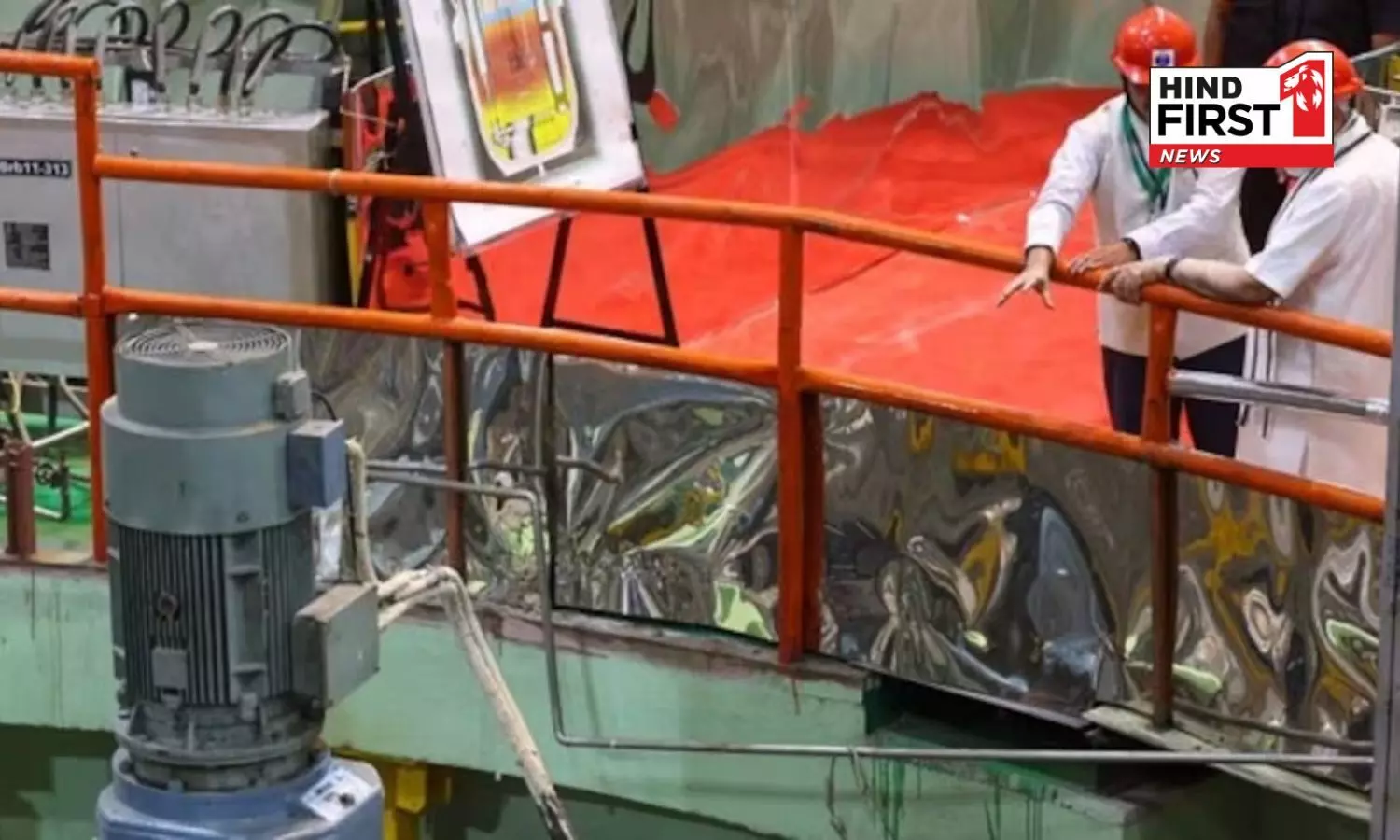
The Prototype Fast Breeder Reactor (PFBR) at Kalpakkam has attained criticality. This signifies that the reactor has independently initiated a self-sustaining nuclear chain reaction. This represents a monumental achievement for India; following Russia, India has now become only the second country globally to accomplish this feat.
In essence, the reactor is now operating autonomously and is, moreover, generating additional fuel.
This milestone propels India's three-stage nuclear program to unprecedented heights. This ambitious program was originally conceptualized in the 1950s by Dr. Homi Bhabha. Given that India possesses limited reserves of uranium but holds vast deposits of thorium, Bhabha devised a program designed to utilize thorium to provide the nation with affordable and clean energy for the long term.
What is a Prototype Fast Breeder Reactor?
Constructed in Kalpakkam, Tamil Nadu, this 500-megawatt Prototype Fast Breeder Reactor was developed by India's nuclear entity, BHAVINI (Bhabha Atomic Research Centre Nuclear Fuel Complex). This reactor utilizes a mixed plutonium-uranium fuel composition and employs liquid sodium as a coolant.
While conventional nuclear reactors consume fuel, a Fast Breeder Reactor generates more fuel than it consumes. Specifically, it produces a greater quantity of new fissile material—capable of sustaining a chain reaction—than the amount of fuel it expends.
The attainment of criticality signifies that the nuclear chain reaction is now proceeding autonomously. In addition to generating energy, the reactor is also storing fuel for the future. This technology is highly complex because liquid sodium must be maintained at a temperature of 550 degrees Celsius. Even a minor error could compromise the entire system.
Why was the Three-Stage Program Initiated?
• First Stage: The Pressurized Heavy Water Reactor (PHWR), which generates electricity using available uranium.
• Second Stage: The Fast Breeder Reactor, which produces plutonium and converts thorium into Uranium-233 (U-233).
• Third Stage: The Thorium-based Reactor, which will fully leverage India's vast reserves of thorium.
This achievement is not merely about operating a single reactor; it positions India as the second nation—after Russia—to master fast reactor technology. Globally, very few countries possess this advanced capability. This milestone will significantly boost India's nuclear energy capacity and, simultaneously, aid in achieving the nation's 'Net-Zero' emissions target by 2070.
Journey Begun in 2004: Delays and Challenges
Work on this reactor commenced in 2004; however, due to numerous technical hurdles, delays, and cost escalations, it has only now achieved criticality. Handling liquid sodium, adhering to stringent safety protocols, and conducting extensive testing were by no means easy tasks. Nevertheless, Indian scientists and engineers successfully brought this ambitious project to fruition.


