
Delhi AQI: Schools to operate in hybrid mode after GRAP-4 restrictions
Air quality in Delhi has deteriorated significantly. When the AQI crosses 450, it is considered 'severe plus', the most dangerous level, posing a serious health risk to all.

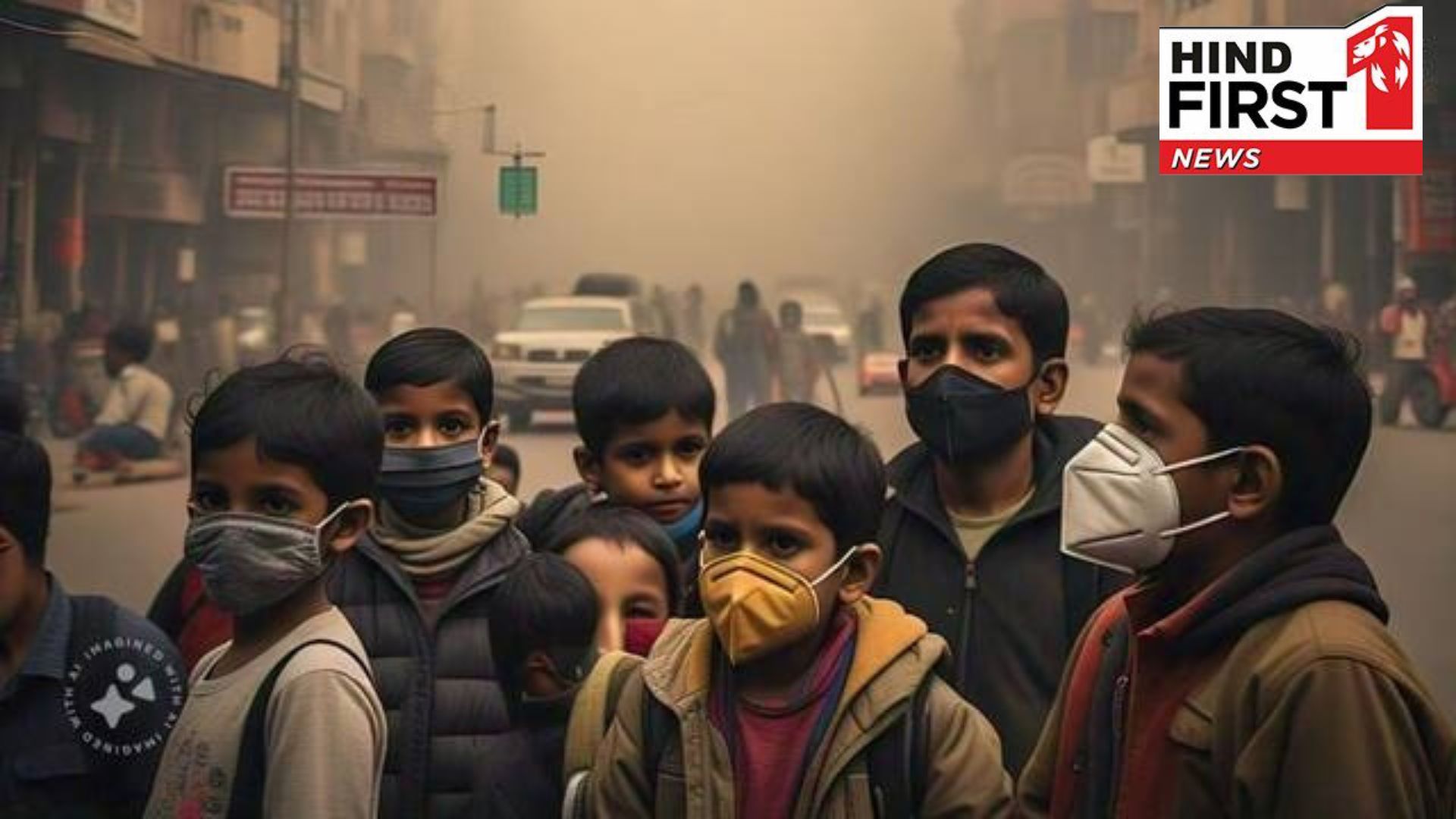
Delhi AQI: The air quality in Delhi has become extremely poor. Considering the toxic air, the government has implemented GRAP-4 (Graded Response Action Plan, Phase 4) to control pollution. This is considered the strictest phase. After the implementation of GRAP-4, schools in Delhi have not been completely closed, but the mode of instruction has been changed. Classes for students up to class 9 and class 11 are being conducted in a hybrid mode. This means that children can either attend school or take online classes. 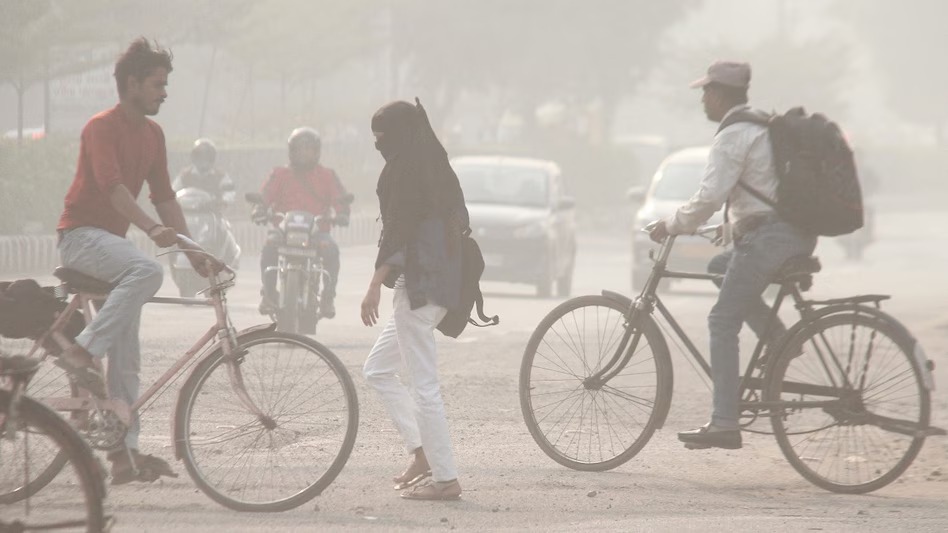
Classes 9-11 to be conducted in hybrid mode
The Delhi Directorate of Education (DDE) in an order issued on December 13 stated that this rule will apply to all government, aided, and private schools under the Delhi Government, NDMC, MCD, and Delhi Cantonment Board. Where online learning is possible, schools will have to provide both online and offline options. All schools in Delhi are open. Also Read: Pollution hasn't been resolved, and fog has arrived... What difficulties will Delhi-NCR face this winter? Classes up to class 9 and class 11 will be conducted in hybrid mode. Taking online classes will be entirely at the discretion of the students and their parents. This arrangement will remain in effect until further notice. School principals have been instructed to immediately inform parents about this decision. This decision has been taken because the air quality in Delhi has reached a very poor level. According to the Central Pollution Control Board, Delhi's AQI was recorded at 462 on Sunday morning, which falls under the 'severe' category. Meaning of 'Severe Plus' and measures implemented under GRAP-IV
Air quality in Delhi has deteriorated significantly. When the AQI reaches above 450, it is considered ‘Severe Plus,’ the most dangerous level, posing a serious health risk to all. On Saturday evening, the AQI was 448, and the 24-hour average was 349 (‘Very Poor’). This sharp increase caused air quality to cross the hazardous threshold by Sunday morning. In light of this situation, the Commission for Air Quality Management (CAQM) implemented GRAP-IV across the entire NCR. The aim is to protect public health and prevent further deterioration of air quality.Key measures under GRAP-IV:
Ban on construction and mining – Construction, stone crushing factories, and mining activities are completely banned in Delhi-NCR. These activities are major sources of dust and pollution. Hybrid mode in schools – To protect children from the harmful air, classes up to grade 5 will be conducted in hybrid mode (online + offline). Physical classes for grades VI–IX and XI may be suspended depending on local conditions. Vehicle restrictions – A ban on BS-III petrol and BS-IV diesel four-wheelers in Delhi and NCR districts. Only LNG, CNG, electric, and BS-VI diesel trucks are permitted. Trucks carrying essential commodities are exempted. Also Read: Pollution in Delhi at alarming levels... 14 AQI stations in the red zone, Noida also at risk 50% capacity in offices – All government and private offices will operate with only 50% of their staff, with the rest working from home. The central government may also consider work-from-home arrangements for central government offices. These steps have been taken to reduce pollution and safeguard people's health.Alka


Next Story