
Middle East War Impact: Not Just Oil and LPG... Crisis Looms Over Fertilizers, Medicines and Food too
Middle East War Impact: The Gulf nations are smoldering amidst the flames of war involving the US, Israel, and Iran. A crisis spanning everything from oil to gas is deepening and supply disruptions have begun.

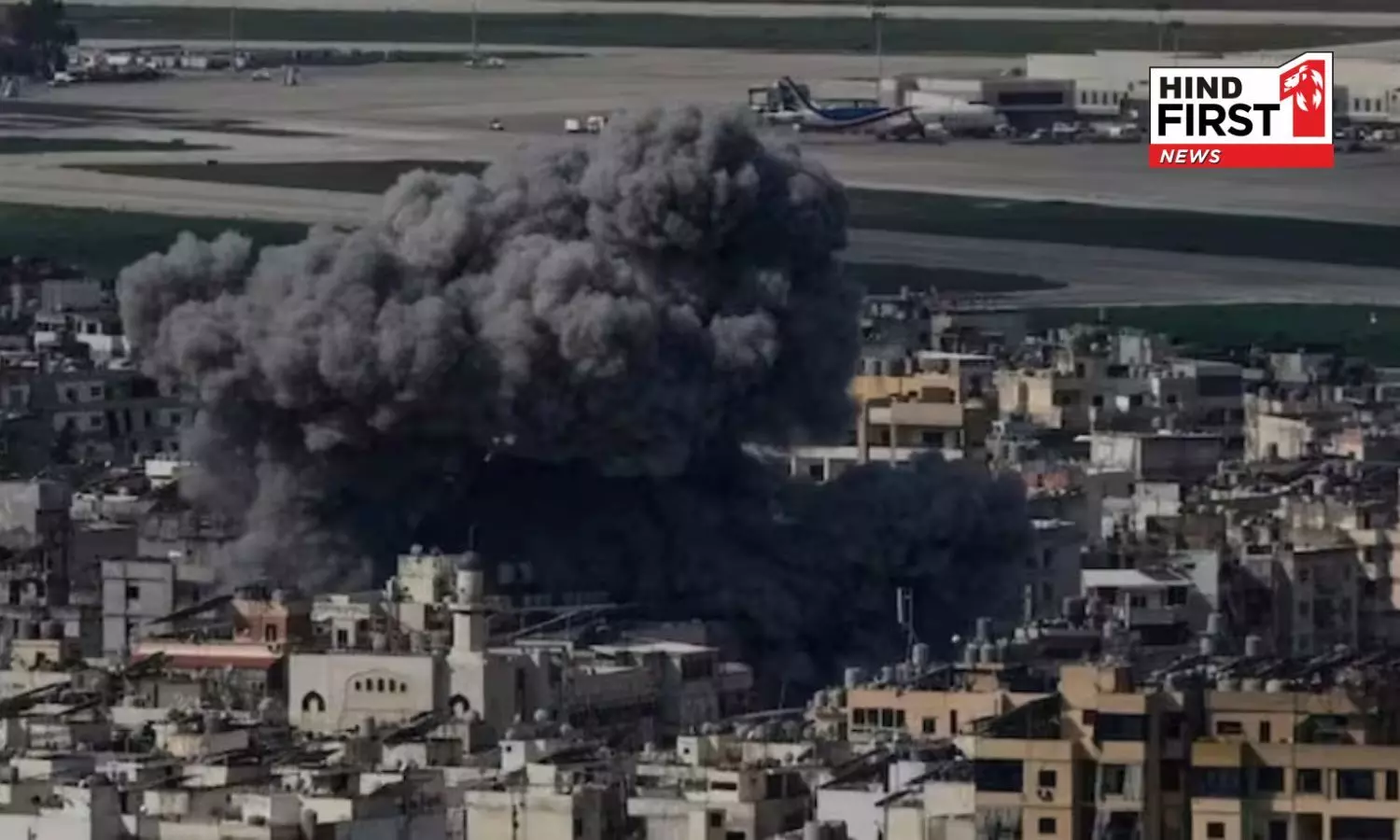
The war in the Middle East has unleashed widespread chaos. The shortage of oil and gas is reaching a critical peak, and the impact of the conflict is not confined merely to this sector; rather, it is being felt across everything from fertilizers to medicines and food supplies. Experts are issuing warnings that if this war does not cease—or if it drags on for an extended period—the crisis will not remain limited to crude oil or LPG alone but will inevitably spill over to other commodities as well.
The repercussions of this situation are already becoming visible across a range of goods, from food items to pharmaceuticals. In particular, the prices of commodities that are directly imported from abroad have begun to rise. Following reports of an attack—attributed to Iran—on Qatar's largest LNG plant, crude oil prices suddenly surged to $113 per barrel.
Severe Crisis in Oil and LPG Supply
The oil crisis began to deepen immediately following the outbreak of hostilities between the US, Israel, and Iran. As the conflict escalated, the potential closure of the Strait of Hormuz—a vital maritime choke point through which 20 percent of the world's oil supply passes—sparked panic across numerous nations. While countries ranging from Pakistan and Bangladesh to Vietnam witnessed a surge in petrol and diesel prices—along with the implementation of emergency measures reminiscent of the COVID-19 era—people in India, too, appeared distressed by a shortage of LPG. However, the government swiftly implemented several relief measures to address the situation.
Rise in Medicine Prices
Turning to the deepening crisis affecting other sectors amidst the tensions in the Middle East, the *India Today* team visited Delhi's Bhagirath Palace market to assess the impact of the conflict on the availability and pricing of medicines. According to Ashish Grover, President of the Delhi Drug Traders Association, the majority of raw materials for medicines are imported from abroad, and the impact of rising import costs is clearly visible. He noted that the price surge in both aluminum and plastic has driven up packaging costs, thereby increasing the overall cost of medicines.
Amidst tensions in the Strait of Hormuz, fertilizer plants across the Gulf region and other locations have either shut down or are on the verge of doing so. All of this is unfolding at a time when farmers are preparing for sowing during the spring season. Even prior to the current conflict, the global urea market was already grappling with shortages. China has restricted the export of fertilizers—including urea—to ensure adequate domestic supply.
Impact on Food and Consumables
Experts warn that the fertilizer shortage will have a severe impact on food supplies. Citing Argus analyst Marina Simonova, a report states that approximately half of the world's food products are produced using fertilizers; consequently, a prolonged disruption in supply could exacerbate the crisis. It is worth noting that the oil and gas crisis has already driven up the prices of food and consumables. The shortage of LPG has adversely affected everything from small tea stalls and snack vendors to the hotel and restaurant industry, with the prices of food items continuing to rise steadily.


