
LPG Shortage Panic in India: How Strait of Hormuz Disruption Is Affecting Cooking Gas Supply
India’s LPG supply chain shows stress as Hormuz shipping disruptions hit imports, while petrol and diesel remain stable due to diversified crude sourcing and strategic reserves.

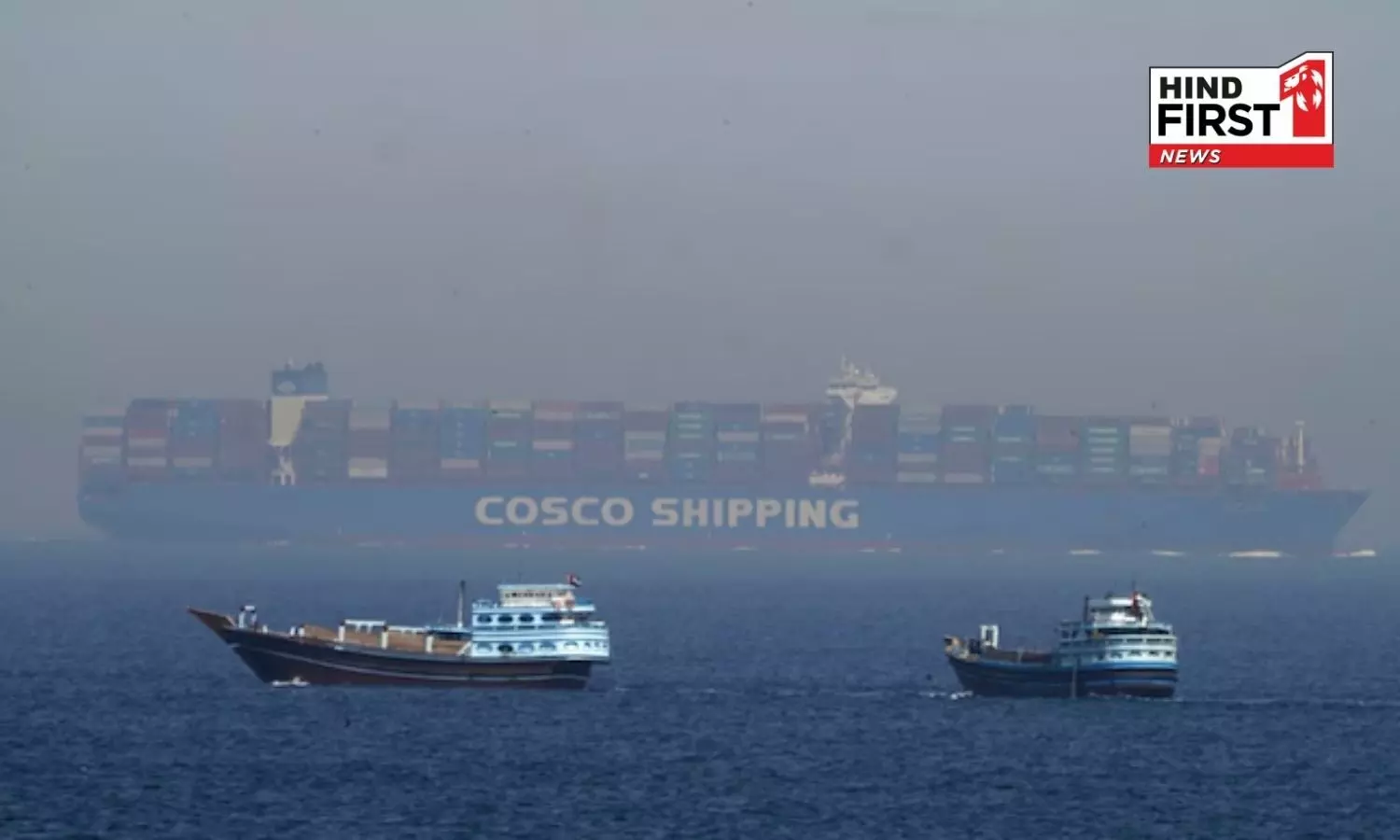
India’s LPG supply chain is showing signs of stress amid the ongoing conflict in the Middle East, with long queues reported outside gas agencies and delays in cylinder deliveries across several regions.
The disruption is linked to tensions around the Strait of Hormuz, a crucial global shipping lane through which a large share of energy cargo moves. Maritime traffic in the region has been affected after US Israeli strikes on Iran and Tehran’s retaliation, creating supply concerns for countries dependent on energy imports from the Gulf, including India.
Reports since March 9 have pointed to rising panic among consumers. Long queues outside LPG agencies have become common. Several restaurants and dhabas have shut operations after the sale of commercial LPG cylinders was halted to prioritise household supply. LPG refills are also reportedly being sold at higher prices in the black market.
However, queues at petrol, diesel and CNG stations since March 12 have been limited. The government has said there is adequate supply of petroleum fuels and has described the panic over LPG cylinders as a "demand-driven distortion". Officials have also reiterated that there would be no disruption in supplying LPG to domestic consumers.
Why LPG Feels the Impact First
India consumes more than 31 million tonnes of LPG annually, according to data from the petroleum ministry. Domestic production meets less than half of that demand. The remaining supply comes largely from Gulf countries such as Saudi Arabia, Qatar, the UAE and Kuwait.
A major portion of LPG shipments to India must pass through the Strait of Hormuz. Estimates suggest around 80 to 90 percent of LPG cargo heading to India uses this route. Any disruption in the shipping lane therefore directly affects LPG availability.
In contrast, crude oil imports are more diversified. India imports crude from more than 40 countries. Russia has become the largest supplier in recent years, followed by Iraq and Saudi Arabia. A large share of Russian crude reaches India through routes that do not pass through Hormuz.
Union Petroleum Minister Hardeep Singh Puri has said that about 70 percent of India’s crude oil imports now come from sources outside the Strait of Hormuz.
Recent reports also indicate that India purchased 30 million barrels of Russian crude after the United States issued a 30 day waiver allowing the purchase of shipments already stranded at sea.
Strategic Reserves Cushion Petrol and Diesel
Another factor is India’s refining and storage system. Crude oil imported by the country is processed in domestic refineries to produce petrol, diesel and other fuels. India also has surplus refining capacity compared to domestic demand, which allows refiners to adjust output when supply patterns change.
India maintains strategic petroleum reserves for crude oil. These reserves are stored in underground rock caverns in Visakhapatnam, Mangalore, and Padur. Together with commercial inventories held by refineries and oil marketing companies, these reserves can cover several weeks of consumption.
This buffer delays any immediate shortage of petrol and diesel at retail fuel stations.
Limited Storage Makes LPG Vulnerable
Unlike crude oil, India has limited storage capacity for LPG. The country does not maintain large strategic reserves of LPG similar to crude oil stockpiles.
Existing LPG caverns in Mangaluru and Visakhapatnam together hold about 1.4 lakh tonnes. According to the International Energy Agency, this volume equals less than two days of national consumption.
India’s gas system is designed for continuous flow rather than stockpiling. In its India Gas Market Report Outlook to 2030, the International Energy Agency noted that the country lacks underground gas storage facilities and has limited LNG storage capacity of around 1.9 bcm. Proposals for strategic gas reserves are still under feasibility assessment.
The report said, “The initial Underground Gas Storage capacity of up to 4 bcm is estimated to cost $1-2 billion, with construction expected to take 3-4 years following project approval.”
Rising LPG Demand in India
Demand for cooking gas has grown rapidly in the past decade. The government’s Pradhan Mantri Ujjwala Yojana expanded access to LPG among rural households.
The number of LPG connections in India has crossed 33 crore. According to the Petroleum Planning and Analysis Cell, connections increased from about 10.6 crore in 2010 to 14.5 crore in 2014. They rose further from 22.4 crore in 2018 to nearly 33 crore by 2025.
The shift from firewood and biomass to LPG has improved public health outcomes but has also increased dependence on continuous LPG supply.
Measures to Stabilise LPG Supply
The Centre and energy companies have started emergency steps to stabilise LPG availability.
Refineries have been asked to maximise LPG recovery from crude processing. Some petrochemical feedstock streams such as propane and butane are being diverted temporarily to produce more cooking gas.
The government is also exploring additional LPG cargoes from suppliers outside the Gulf, including the United States and West Africa. These shipments may take longer to arrive and could cost more.
For now, the government has prioritised domestic LPG supply over commercial consumption.
While petrol and diesel pumps remain well stocked, the situation highlights how disruptions in global shipping routes can quickly affect household energy supplies in India.
Aakash Khuman


Credible. Clear. Impactful
