
Not Hormuz—Now the Red Sea Poses a Global Threat! Story of the New Oil ‘Hotspot’ Amidst the Iran-Israel Conflict
Amidst disruptions in the Strait of Hormuz, the emerging Houthi threat in the Red Sea could now exert dual pressure on global trade. The impact on oil supplies, shipping, and inflation is set to intensify—a development feared to have a direct bearing on India's economy as well.

The global economy is poised to suffer yet another blow, arriving precisely when markets are still grappling with the repercussions of the initial shock. Disruptions in the Strait of Hormuz have already driven up oil prices significantly and disrupted energy supply chains. However, a new—and potentially even more destabilizing—threat is now looming on the horizon.
This threat stems from Yemen’s Iran-backed Houthi rebels, who have embarked on a major campaign targeting maritime traffic in the Red Sea. Should this situation escalate, the world could face simultaneous disruptions across two of its most critical maritime arteries—a scenario in which the resulting economic fallout could far exceed current market expectations.
Fragile Equilibrium in Oil Markets
In recent days, oil prices have exhibited only marginal fluctuations, reflecting a delicate balance between hope and apprehension. On one hand, reports suggest that U.S. President Donald Trump may be prepared to halt military action against Iran—even without the immediate reopening of the Strait of Hormuz. This has served to somewhat alleviate immediate panic. On the other hand, the stark reality remains that oil supplies flowing through the Strait of Hormuz are still substantially disrupted.
This creates a perplexing situation. While markets may be reacting to the ‘hope’ of de-escalation, the actual oil supply situation on the ground has yet to return to normalcy. Experts emphasize that for a genuine correction in prices to occur, the full restoration of shipping traffic through the Strait of Hormuz is imperative—a development for which there are currently no firm guarantees. Amidst this climate of unease, a second major epicenter of potential disruption is now emerging.
Houthis as a New Strategic Weapon
According to Bloomberg, Iran is actively encouraging Houthi rebels to launch a new campaign against maritime traffic in the Red Sea. European officials have reported that Iran is pressuring the Houthis to prepare for a new offensive against vessels in the Red Sea, as Tehran seeks to extend its influence beyond the immediate Gulf region.
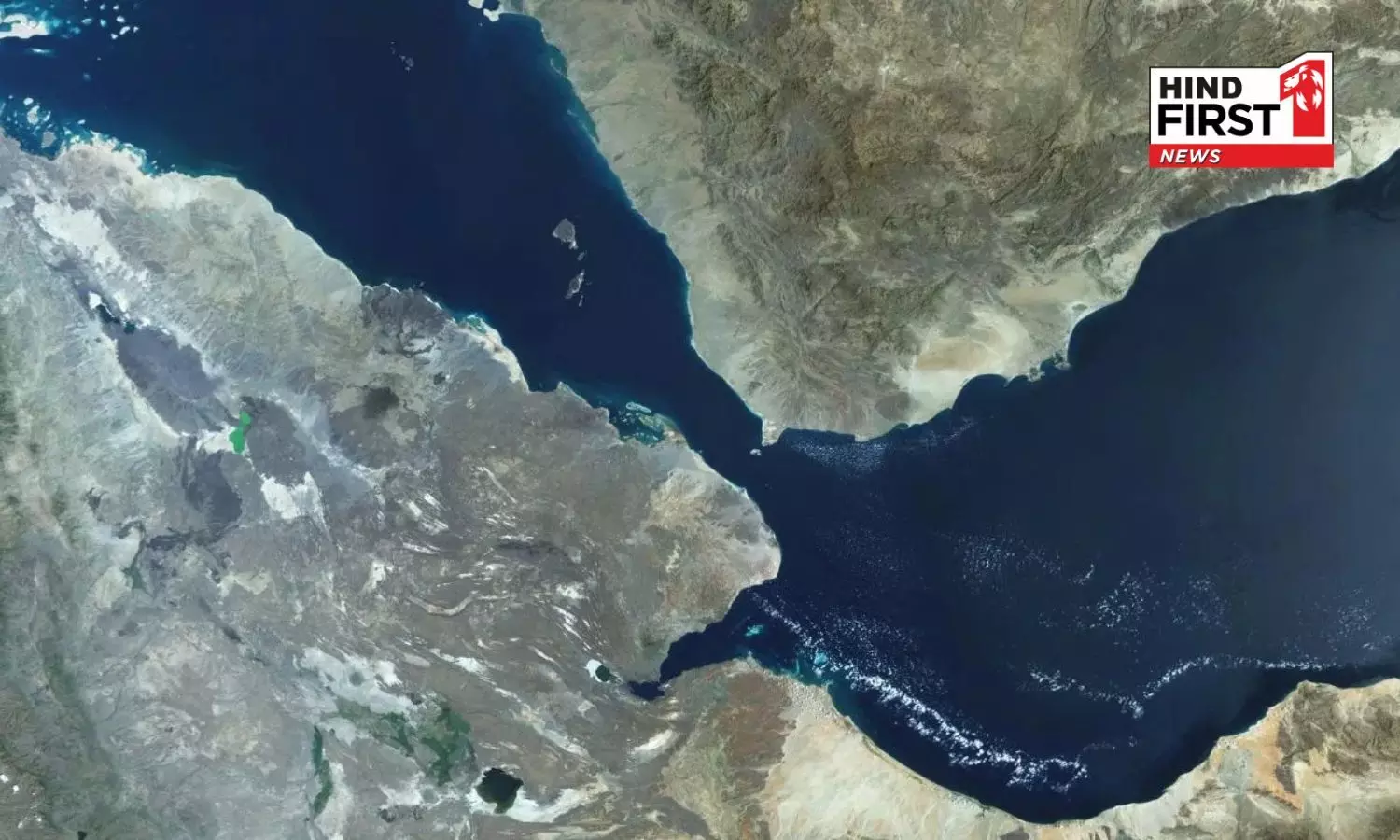
The Houthi rebels have already signaled an escalation of tensions. Their firing of missiles toward Israel on Saturday—the first such instance during the ongoing conflict—marks their entry into the fray. Even more significantly, they have issued a warning that they may target vessels transiting through the Bab al-Mandeb Strait—a narrow maritime passage connecting the Red Sea to the Gulf of Aden. This is no idle threat. Between 2023 and 2025, the Houthis attacked over 100 vessels, compelling major shipping companies to reroute their ships around Southern Africa. This resulted in increased costs, longer transit times, and a significant surge in insurance premiums. The current situation now threatens to become far more critical than before.
Two Key Routes, One Major Risk
The global energy system harbors a significant vulnerability: its reliance on specific maritime routes. The Strait of Hormuz and the Bab al-Mandeb are two of the most critical of these passages. With the Strait of Hormuz already subject to disruption, the Red Sea has emerged as an essential alternative route—particularly for Saudi oil exports. Saudi Arabia has ramped up oil shipments to the Red Sea port of Yanbu via its East-West Pipeline—a trend that has accelerated in recent weeks.
However, this alternative arrangement hinges on safe passage through the Bab al-Mandeb. Should the Houthis succeed in disrupting this route, the consequences could be severe. Approximately 15% of global maritime trade flows through this narrow passage. Closing this route would not only impact oil supplies but also disrupt container shipping between Asia and Europe, thereby intensifying pressure on global supply chains. Any Houthi campaign targeting vessels in the southern Red Sea or near the Bab el-Mandeb strait would further destabilize global energy markets. The Red Sea is no longer merely a regional waterway; it has evolved into a critical artery for global trade.
Impact of the Red Sea Crisis on India
For India, this situation could prove to be quite grave. A significant portion of India's trade with Europe traverses the Red Sea and the Suez Canal. Should a blockage occur at Bab el-Mandeb, Indian merchants would be compelled to reroute their cargo via Africa—a detour that would result in increased transit times and higher costs.
Summary
The repercussions within the energy sector would be even more profound. India is heavily reliant on crude oil imports. Given the potential for disruptions in the Strait of Hormuz, the Red Sea route has assumed even greater strategic importance. If this route, too, were to be disrupted, oil supplies would dwindle further, driving prices even higher. Rising oil prices would fuel inflation, widen the Current Account Deficit, and exert downward pressure on the Indian Rupee. Sectors such as refining, aviation, and logistics would face direct consequences, while the increased cost of freight would also adversely affect India's export trade.


