
PM Modi High-Level Meeting on Middle East Situation; Discussions Focus on Oil, Gas and Power
Prime Minister Narendra Modi is presiding over a high-level review meeting regarding India's energy preparedness in light of the escalating tensions in the Middle East.

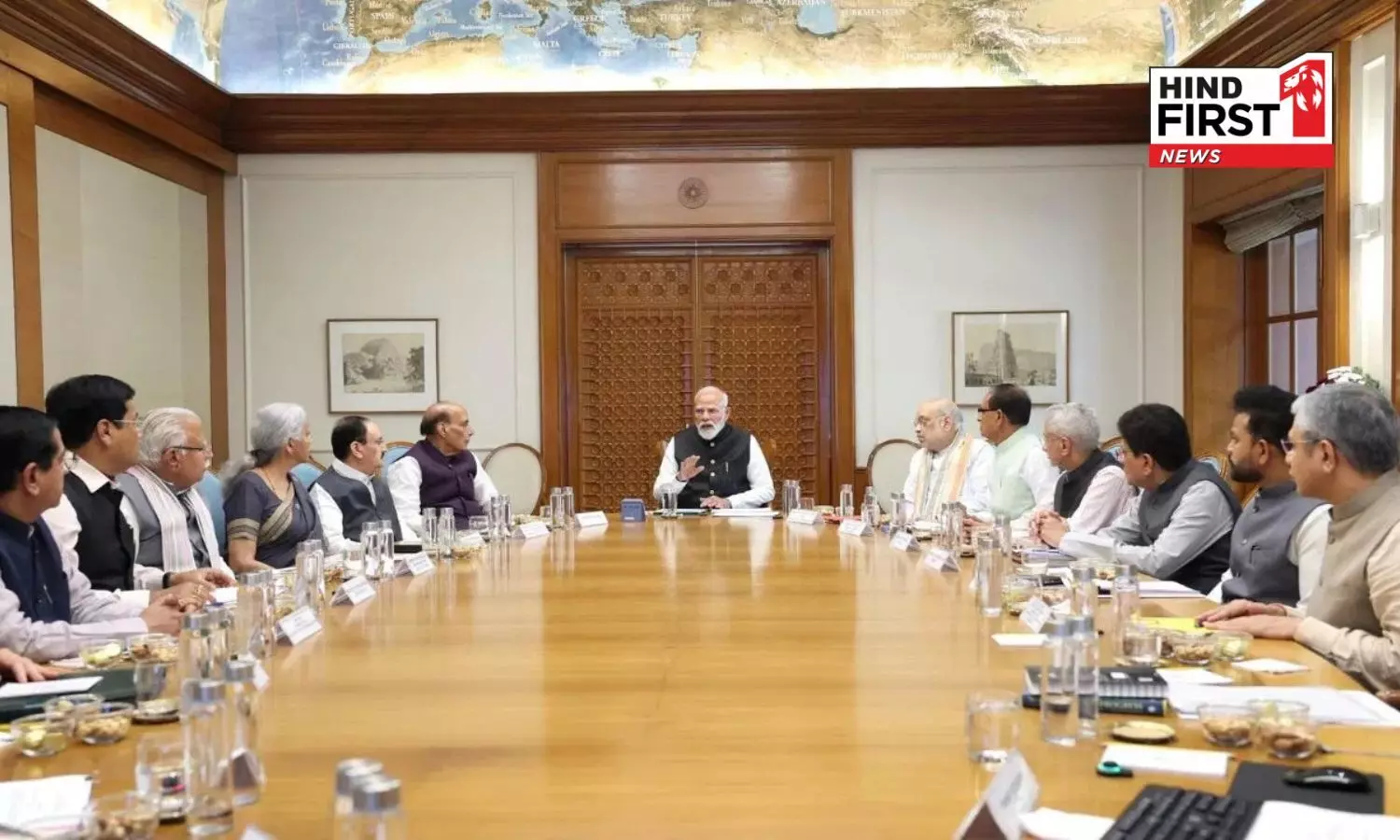
A high-level meeting, chaired by Prime Minister Narendra Modi, commenced on Sunday evening to review India's energy preparedness amidst the rising tensions in the Middle East. Present at this high-level meeting, being held at the Prime Minister's residence, are Home Minister Amit Shah, Defense Minister Rajnath Singh, Finance Minister Nirmala Sitharaman, External Affairs Minister S. Jaishankar, Union Minister J.P. Nadda, Petroleum Minister Hardeep Puri, and several other ministers. The meeting is expected to cover discussions regarding the situation in the Middle East, as well as LPG distribution and fertilizer availability within the country.
Several Union Ministers—including those from the Home, Defense, and Finance ministries—are participating in this meeting.
Discussions are expected to focus on LPG distribution, fertilizer availability, and ensuring uninterrupted supply.
During the meeting, senior ministers will assess the status of the petroleum, power, and fertilizer sectors. The discussions will focus on ensuring uninterrupted supply, stable logistics, and efficient distribution across the country.
Energy Crisis Stemming from Middle East Conflict
Earlier, PM Modi had stated that the conflict in West Asia has triggered a global energy crisis. He described this situation as a crucial test of the national character, emphasizing the need to handle it with peace, patience, and heightened public awareness.
The Prime Minister also underscored that the government is continuously working to address disruptions in international supply chains. He noted that persistent efforts are underway to resolve the bottlenecks that have emerged within these supply chains.
Supply Disruptions Due to Standoff in the Strait of Hormuz
The ongoing conflict involving Iran, Israel, and the United States—now in its third week—began on February 28 with attacks launched by the U.S. and Israel against Iran. Since then, the situation has escalated further, with Iran launching retaliatory strikes against Israel and several of its neighbors in the Gulf region. Iran's control over the Strait of Hormuz—a critical global shipping route for energy supplies—has significantly impacted maritime traffic, allowing passage to only a limited number of vessels.
Summary
The resulting disruption has hindered energy supplies in several nations, including India. Since the outbreak of hostilities, Prime Minister Narendra Modi has held telephonic conversations with numerous global leaders, including those from Saudi Arabia, the UAE, Qatar, Bahrain, Kuwait, Jordan, France, Malaysia, Israel, and Iran


