
After the India-US deal, Russia is forced to take this step to sell oil!
Several oil data firms, including Bloomberg, claim that India has reduced its purchases of Russian oil. Meanwhile, Russian oil tankers are navigating the Indian Ocean and now displaying Singapore as their destination.

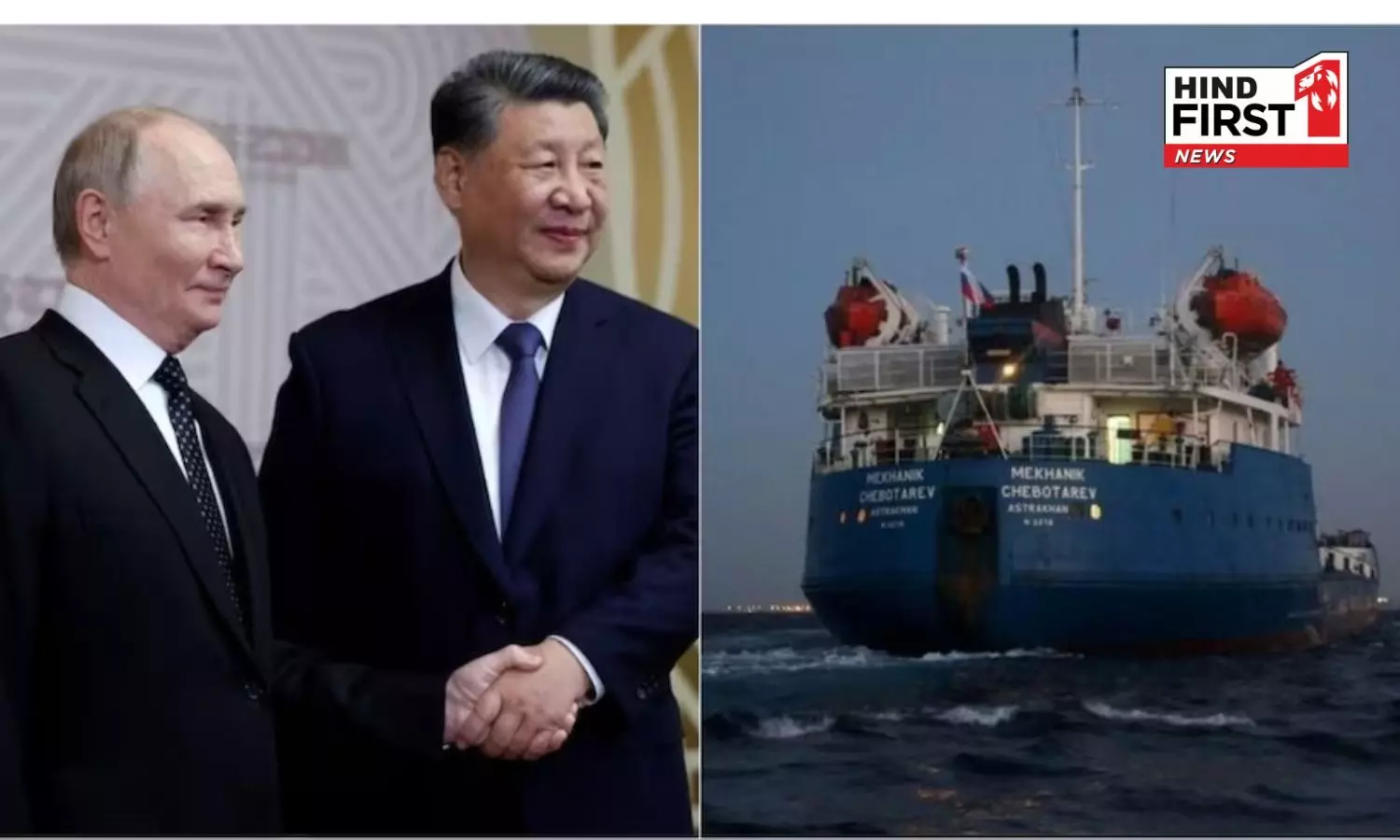
Following the trade deal with the US, Indian refineries have increased their purchases of crude oil from Venezuela, leading to reports of a decline in Russian oil imports. This has deepened Russia's lack of a reliable customer, and amid US sanctions, ships carrying smuggled oil are wandering around the Indian Ocean. Information about these tankers' destinations, or their true destinations, is being concealed. According to reports, many Russian oil tankers are showing Singapore as their final destination to conceal their true destination.
Reports of a decline in Russian oil imports
According to traders and shipping data from LSEG (London Stock Exchange Group), Russian oil tankers displaying Singapore as their destination indicates that this oil is shifting from India to China. However, China is also wary of Russian oil due to Western sanctions.
According to LSEG data, tankers carrying approximately 1.4 million metric tons of Russian crude oil departed for Singapore in January. Singapore has not ordered such a large quantity of oil in recent years. Singapore does not import Russian oil due to fear of sanctions. However, the surrounding waters are sometimes used for ship-to-ship transfers.
Big game is being played to conceal the identity of the buyer
According to a Reuters report, traders say that many ships arrive in Malaysia from the waters surrounding Singapore. They unload their cargo there or transfer the oil to floating storage units. Singapore is often shown as a "placeholder" destination to conceal the ultimate buyers.
An oil trader based in Moscow, Russia, said, "The increase in the number of tankers listing destinations like Singapore, Suez, or Port Said indicates that Russia is facing increasing difficulties in selling oil and that the pool of reliable buyers is shrinking."
China is also cautiously purchasing oil
There are reports of India reducing its oil purchases from Russia following the trade deal with the US. However, India has officially denied stopping oil purchases from Russia.
China is a major customer of Russian oil, but Chinese state-owned oil companies are also cautious in purchasing spot cargoes due to the risk of sanctions. This is further reducing Russia's export options.
According to traders, tankers heading to India previously often listed Port Said in Egypt or the Suez Canal as their destination. But now, the trend of providing fake destinations like Singapore and concealing the real destination has increased.
Is Russia suffering losses?
During the war with Ukraine, Russia earned a lot of money by selling its oil and gas, which supported its economy.
Now, four years into the war, revenue from Russian oil sales is declining.
This decline is the result of new sanctions on Russian oil and gas by the US and the European Union, the India-US trade deal, and US sanctions on tankers carrying Russian oil.
According to a report by American broadcaster ABC, Russia's government revenue from taxes on the oil and gas industry fell to 393 billion rubles (about $5.1 billion) in January.
Summary
US President Donald Trump imposed sanctions on Russia's two largest oil companies, Rosneft and Lukoil, effective November 21. This means that any ship carrying or importing oil from these companies could be barred from the US banking system.


