
Daylight Saving Time 2026 begins in US as clocks move forward by one hour
Daylight saving time 2026 began on March 8 at 2 am in the United States. Clocks moved forward by one hour as most Americans lost an hour of sleep.

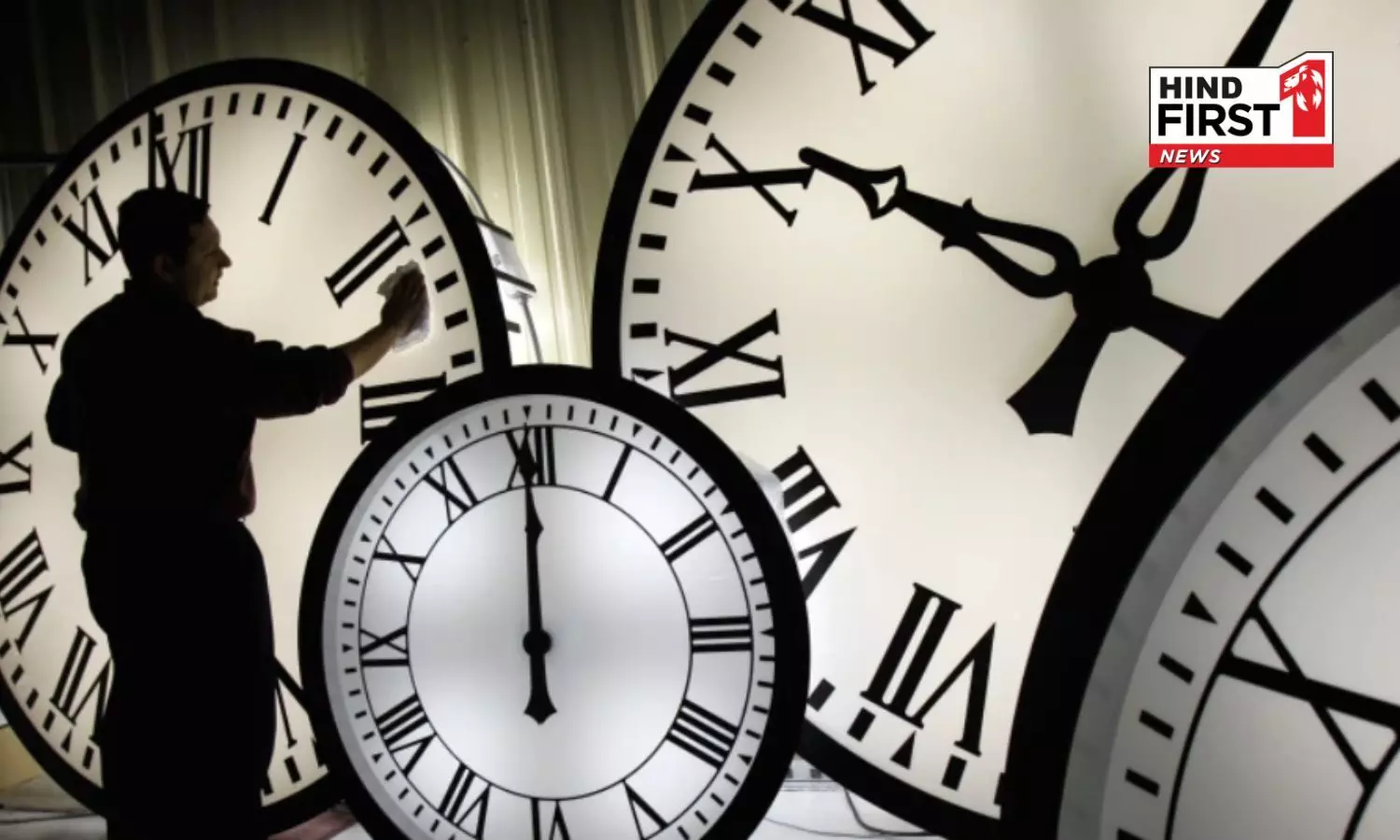
Daylight saving time for 2026 began early Sunday in the United States, with clocks moving forward by one hour at 2 am local time.
The annual time change takes place on the second Sunday of March. Most Americans lost an hour of sleep overnight as the clocks shifted ahead.
Daylight saving time moves an hour of daylight from the morning to the evening by advancing clocks by one hour.
For example, the day before the change, sunrise in Boston was at 6:09 am and sunset at 5:41 pm, according to the National Weather Service. After the clocks changed on Sunday, sunrise occurred at 7:08 am and sunset at 6:42 pm.
Start date fixed since 2007
Daylight saving time has started on the second Sunday of March since 2007, according to the U.S. Naval Observatory, the official source of time for the Defense Department.
Before 2007, the start date was the first Sunday of April for about two decades. Earlier, the Uniform Time Act of 1966 set the start date as the last Sunday of April.
During the energy crisis of the 1970s, the U.S. Congress experimented with year round daylight saving time starting in January 1974. The trial ended the same year in October, with the country returning to standard time.
Most Americans lost one hour of sleep
Most of the United States lost an hour when clocks moved from 2 am to 3 am on Sunday.
The change occurs shortly before the official start of spring in the Northern Hemisphere, which begins with the vernal equinox on March 20.
When daylight saving time will end in 2026
Daylight saving time will end on November 1, 2026. Clocks will move back by one hour at 2 am local time on the first Sunday of November.
By then, the country will already be several weeks into the fall season after the autumnal equinox on September 22.
Daylight saving time will remain in effect for 238 days in 2026, according to the National Institute of Standards and Technology.
Why daylight saving time exists
Daylight saving time was first adopted in the United States in 1918 during World War I to conserve fuel, according to the Congressional Research Service.
It was used again during World War II to support national security and defense efforts.
Although the time change has been widely practiced since the 1960s, studies have shown limited benefits in reducing energy consumption.
In 1974, the U.S. Transportation Department found minimal benefits related to energy conservation, traffic safety and crime reduction.
After the start date was shifted earlier in 2007, the U.S. Department of Energy found that electricity consumption declined by about 0.03 percent.
States that do not observe daylight saving time
Only two U.S. states do not observe daylight saving time. Hawaii and Arizona do not follow the time change, except for the Navajo Nation in northeastern Arizona.
Several U.S. territories also do not change their clocks. These include American Samoa, Guam, the Northern Mariana Islands, Puerto Rico and the U.S. Virgin Islands.
Phones usually update automatically
Most smartphones automatically update their clocks if the device settings allow automatic time adjustment.
Technology companies such as Apple, Google and Samsung provide support pages for users who need help adjusting the time manually.
Aakash Khuman


Credible. Clear. Impactful
